Stating Different Opinions, Asking for Different Opinions (‘Obligation to Dissent’)

→Japanese

In what was a legislative first for Japan, the independently run NAIIC (Dec 8, 2100-July 5, 2012) submitted a report to both the Lower and Upper Houses of Parliament of Japan or the National Diet. Although the report was well-received and acclaimed overseas, within Japan, it was treated as an ‘inconvenient truth’, or more dishearteningly, elicited little response.

At the same time, I have talked here about how young people are increasingly active in setting up innovative initiatives.

Recently, Sakon Uda, who had agreed to taking a position that would put him in charge of the NAIIC as its ‘project manager’, has published a new book, “Naze ‘Iron’ No Denai Soshiki wa Machigau No Ka” (Why Organizations Without Dissent Make Mistakes), (A blog post in Japanese).

I have had the opportunity to add a small commentary section of around 20 pages to this book, where I have voiced my opinion about governance and accountability.

This book does not limit itself to commentary about the NAIIC, but instead tackles questions that are commonly observed in Japanese organisational behaviour. These include questions about Groupthink and Accountability, to name a few.

It is an enlightening read and I hope all of you find the time to read this book.

Revisiting UCLA

→Japanese

Returning to Tokyo on the 3rd of May after spending a few days in London, I spent the rest of Golden Week relaxing, before going to Los Angeles on the 8th. Unfortunately, I was unable to go to St. Gallen this time round.

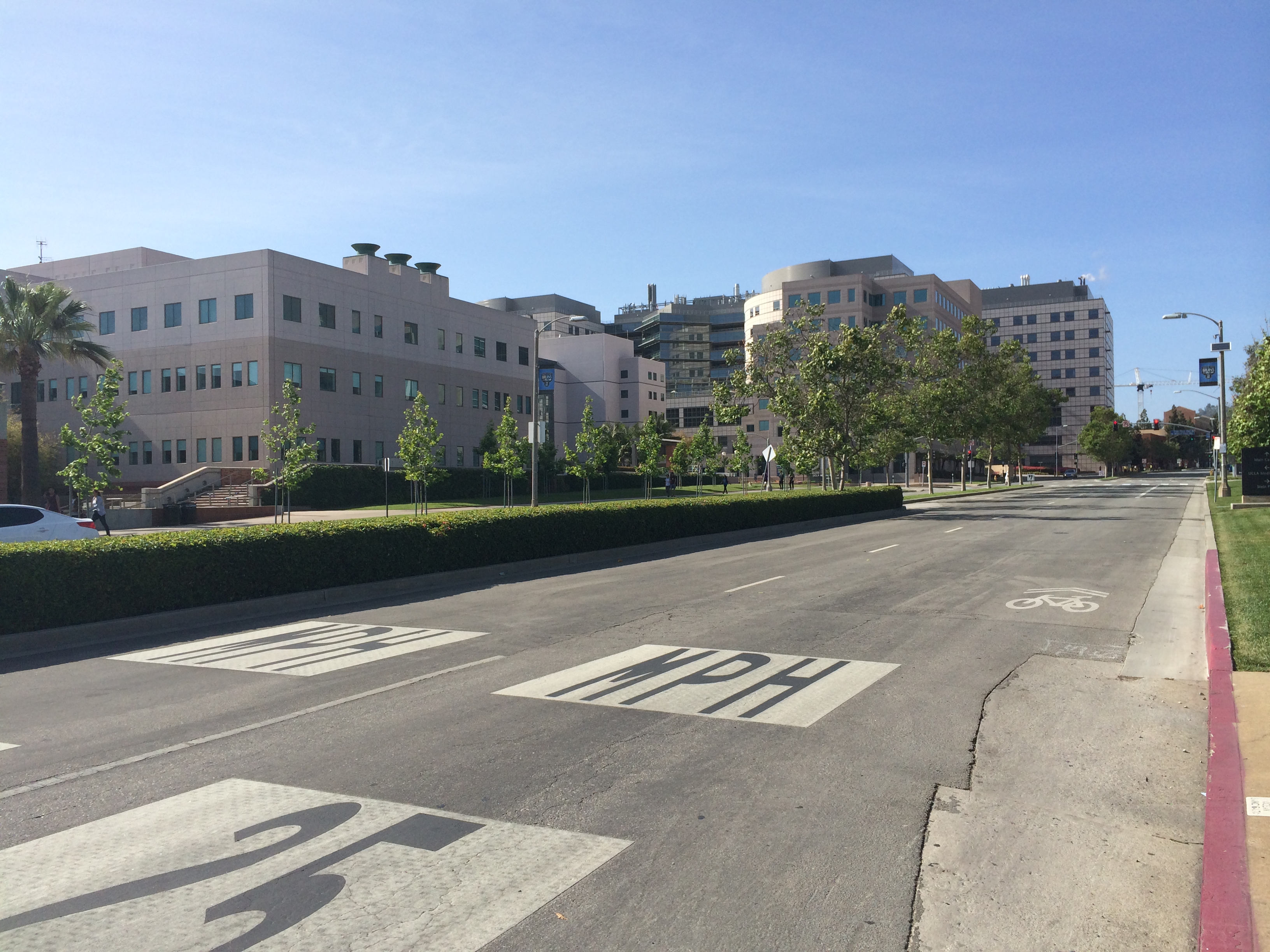
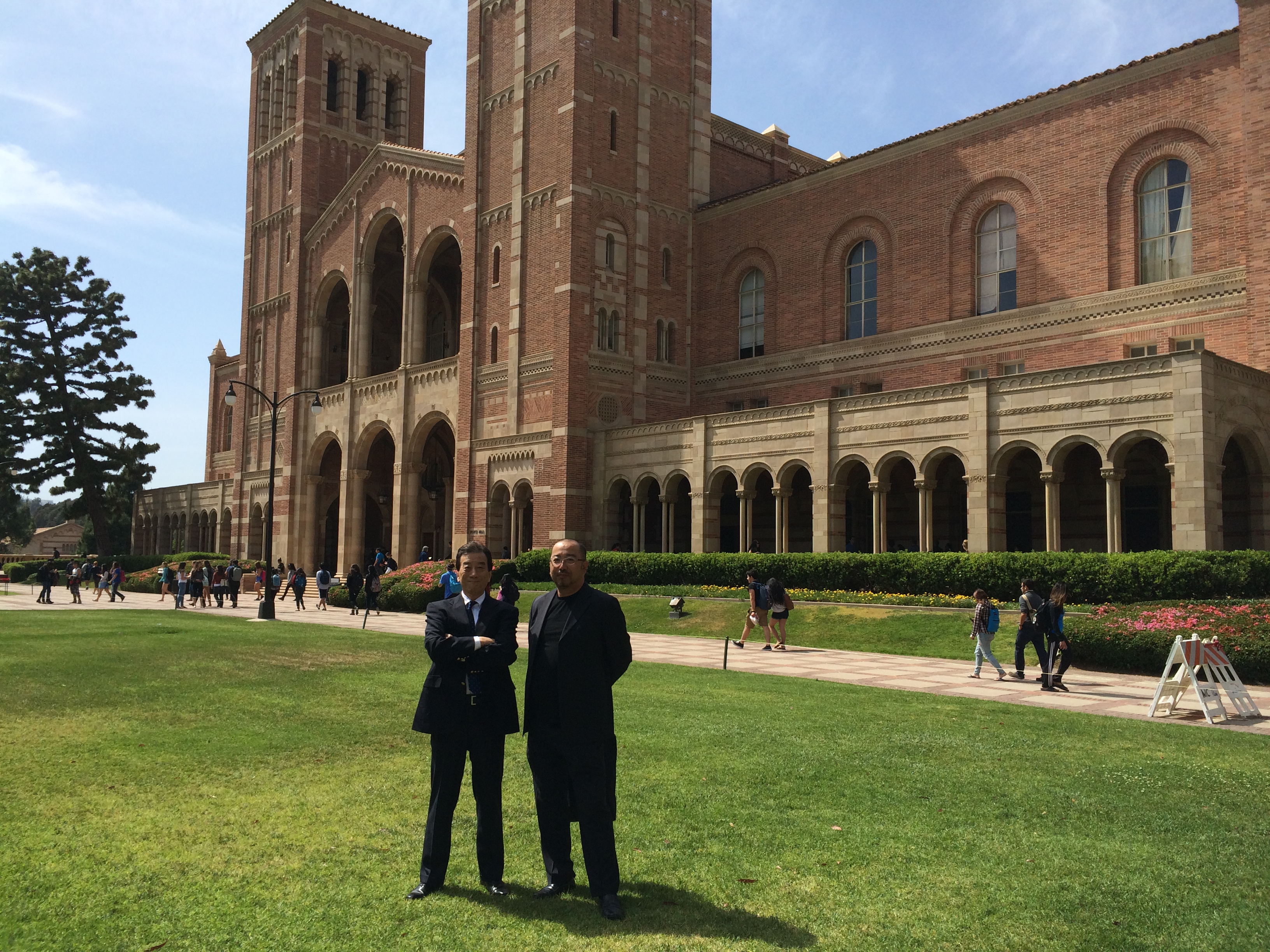
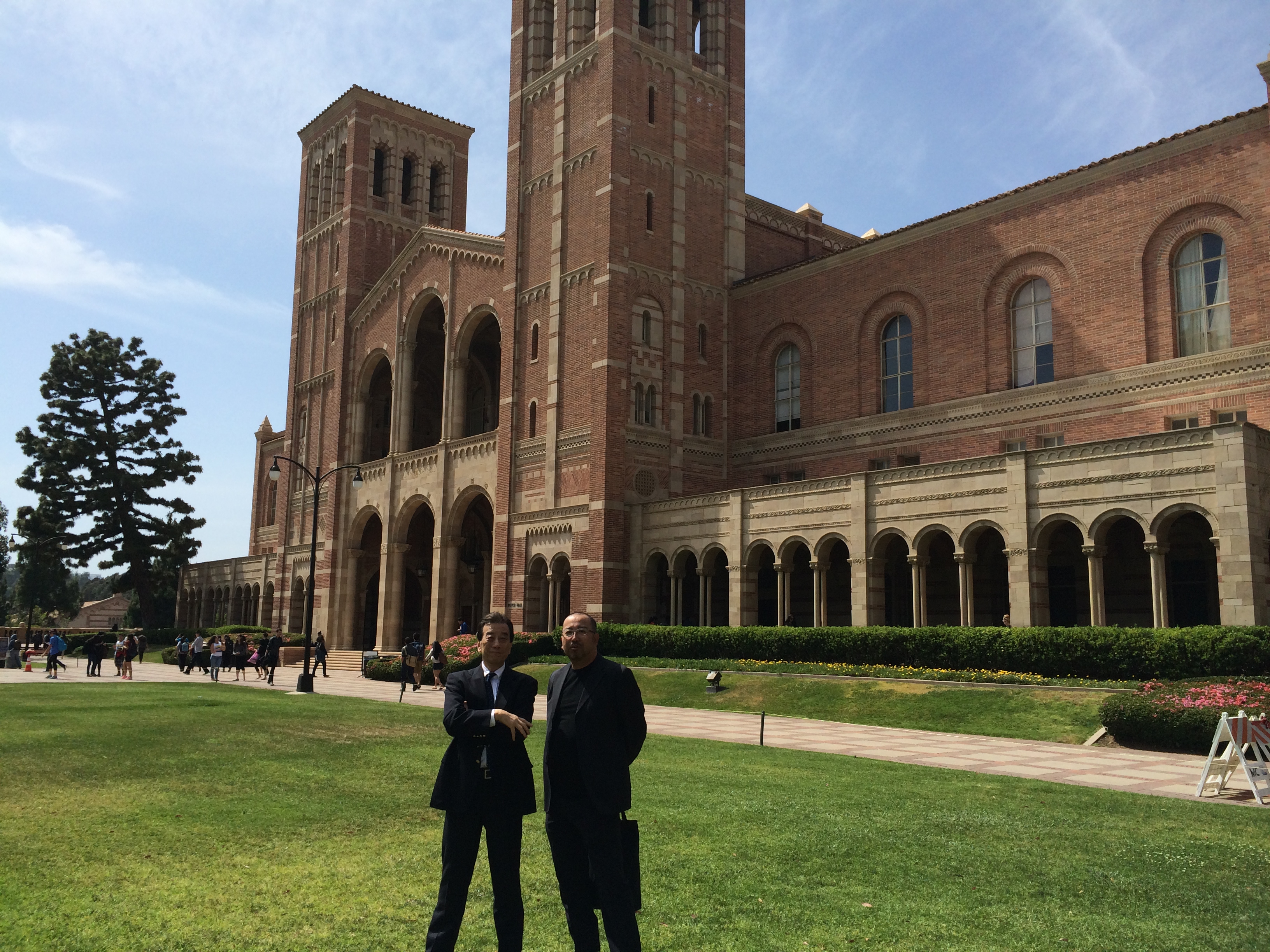
Thankfully, the weather in L.A. was as sunny, if not more so, than it was in Tokyo. I headed for the UCLA campus for some meetings straightaway. In the evening, I attended a screening of a documentary filmed around the year 1984 called ‘Issei’, a documentary recording the experiences of ‘nikkei’ (Japanese American) people in and around San Francisco towards the end of the 1900s. It was filmed and produced on a tight budget and within a short timespan.

This screening was part of an initiative by the Paul Terasaki Center, an organisation set up by Prof. Paul Terasaki, an old friend I have had the pleasure of introducing here.

The next day, I participated in a forum on the theme of the Japanese diaspora. Starting off in the morning, it was full of interesting and thought-provoking research, insights and ideas. I learnt a lot, and had a great time. In my closing comments, I highlighted the fact that in our rapidly globalizing world, more and more people are actively choosing to cross cultural and national boundaries in order to create value for their talent. These pioneers creating value for themselves, become valuable ‘dots’ within a sea of homogeneity. And as these proactive pioneers often marry people from other cultures, a tremendous amount of cultural exchange takes place leading to the creation of a brand-new culture, which also unfortunately includes the gradual decline of any feelings of attachment to a particular country. This process of progressive change has been documented and represented through various data.

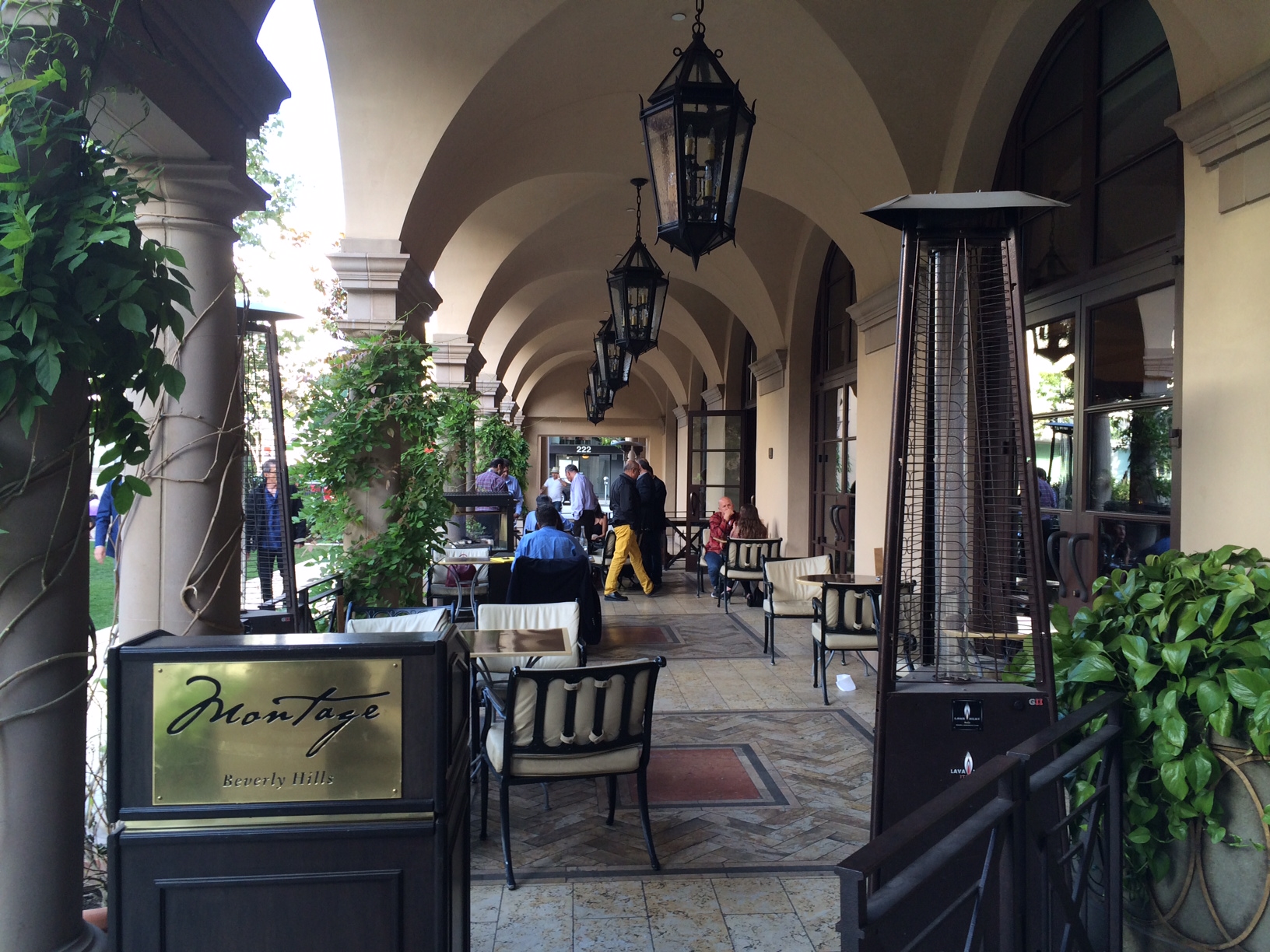
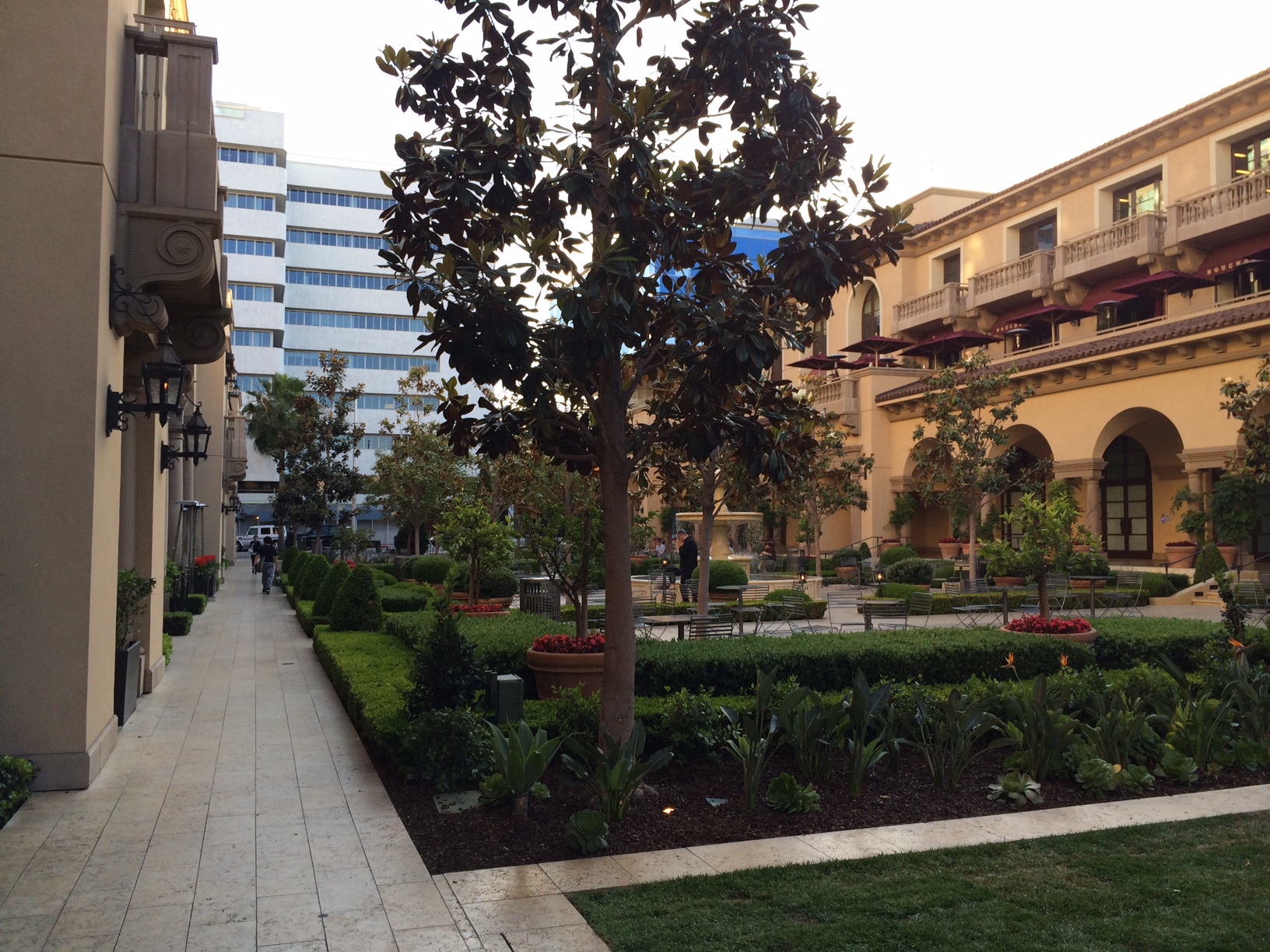
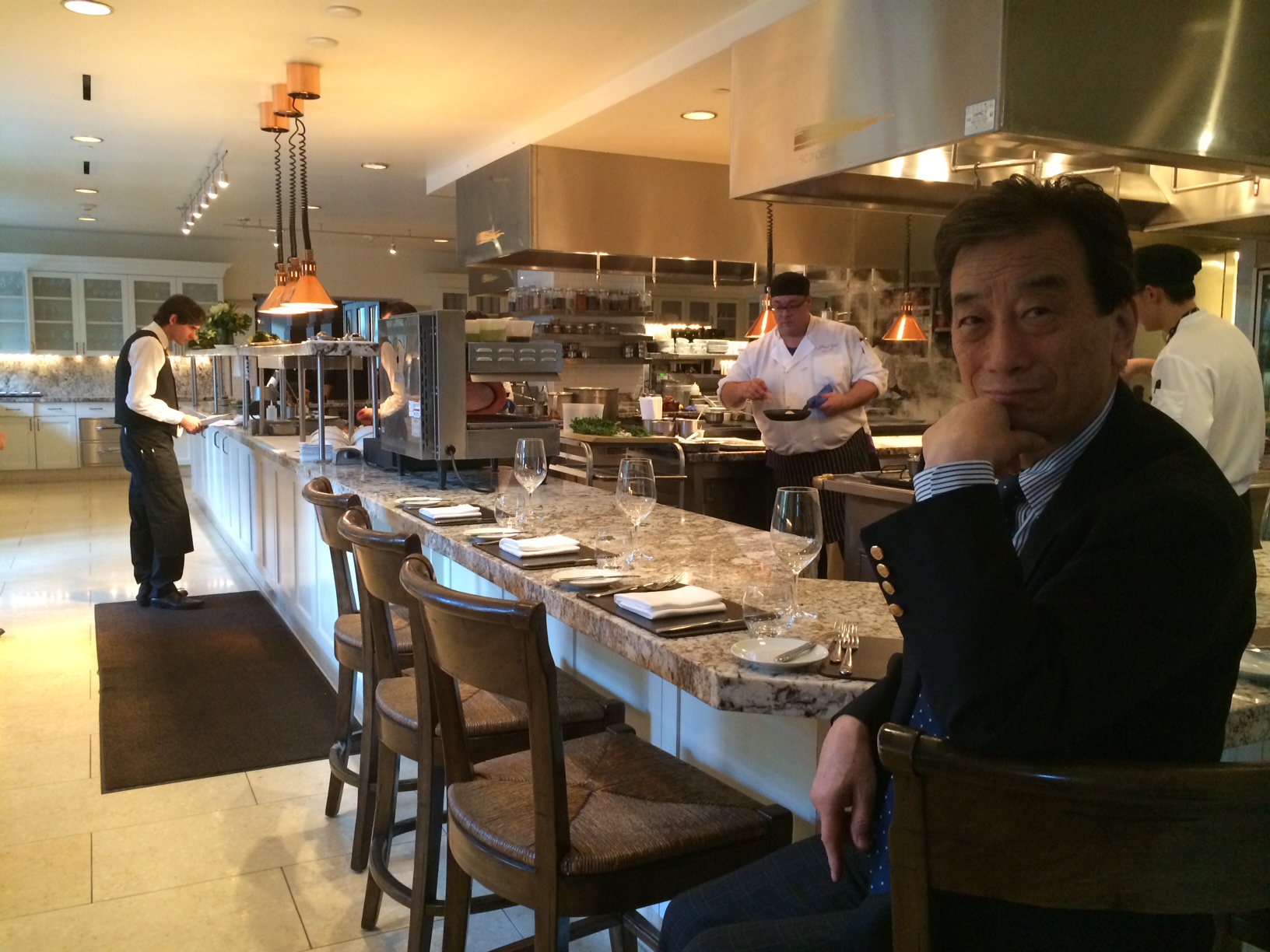
I had dinner at the glitzy Montage Hotel located right in the centre of Beverly Hills. The UCLA chancellor Block and Ms. Irene Hirano also joined us.

The next day, I attended a meeting hosted by the Terasaki Center at Montage Hotel, where Dr Terasaki was also present.

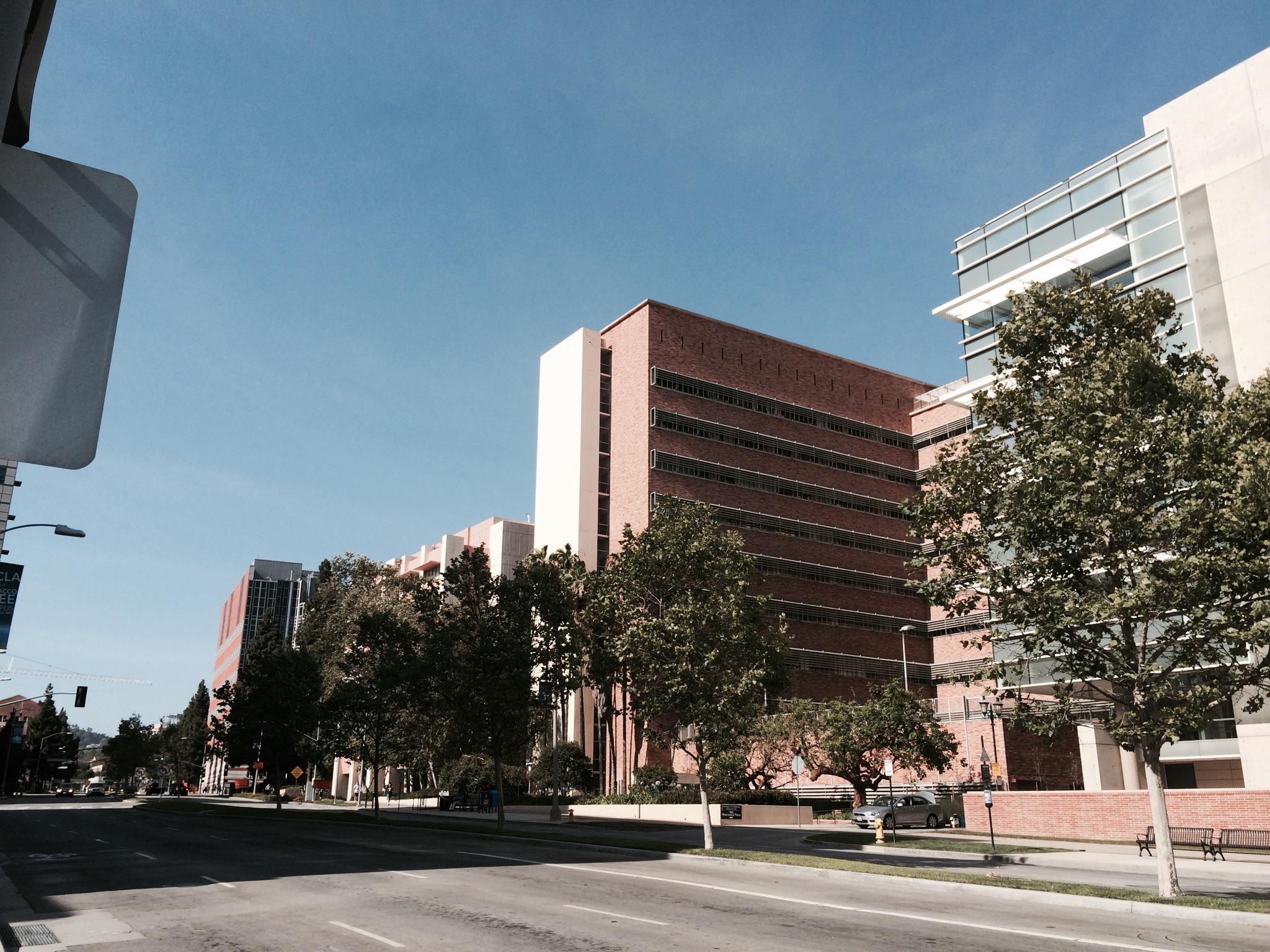
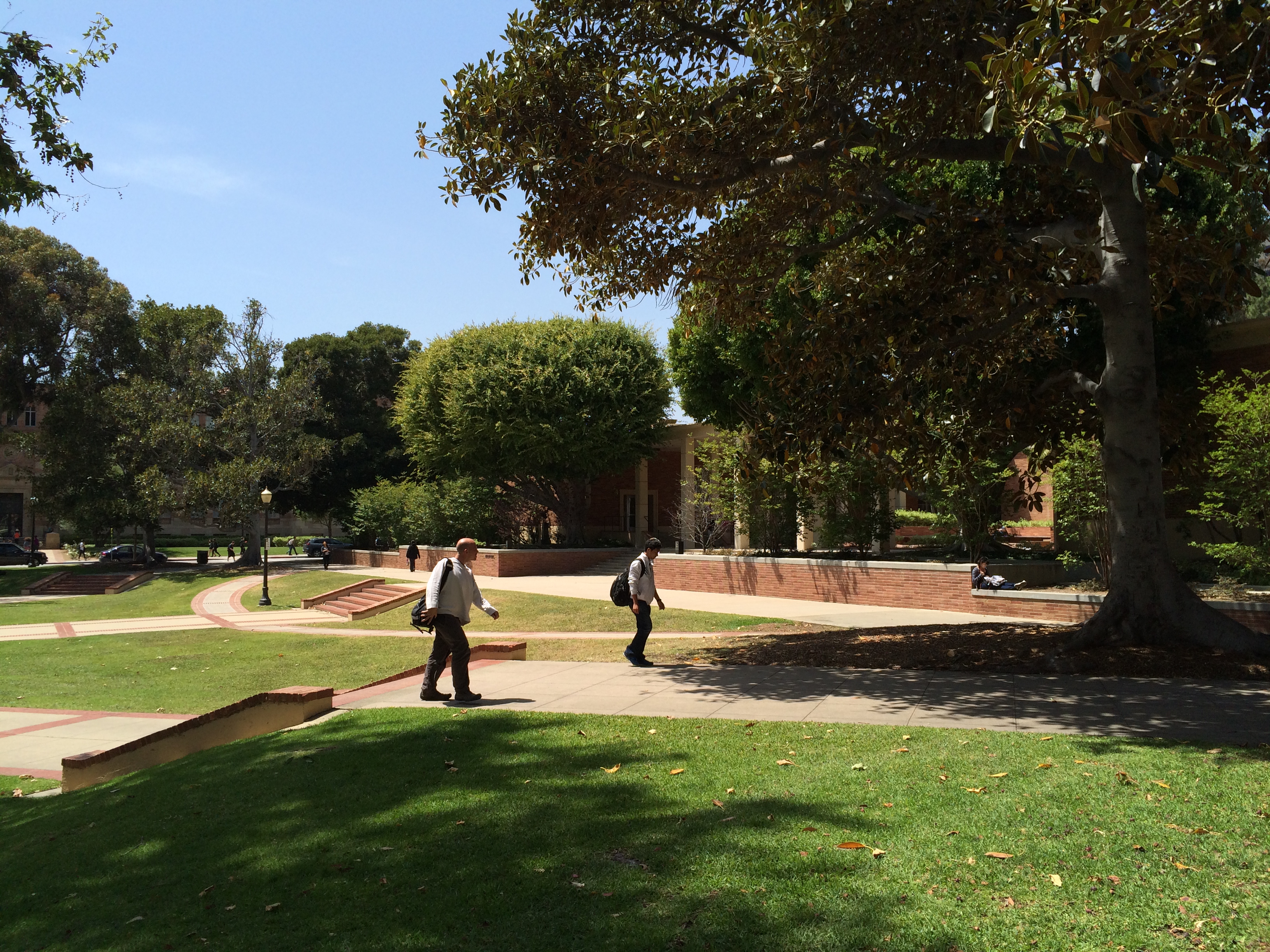
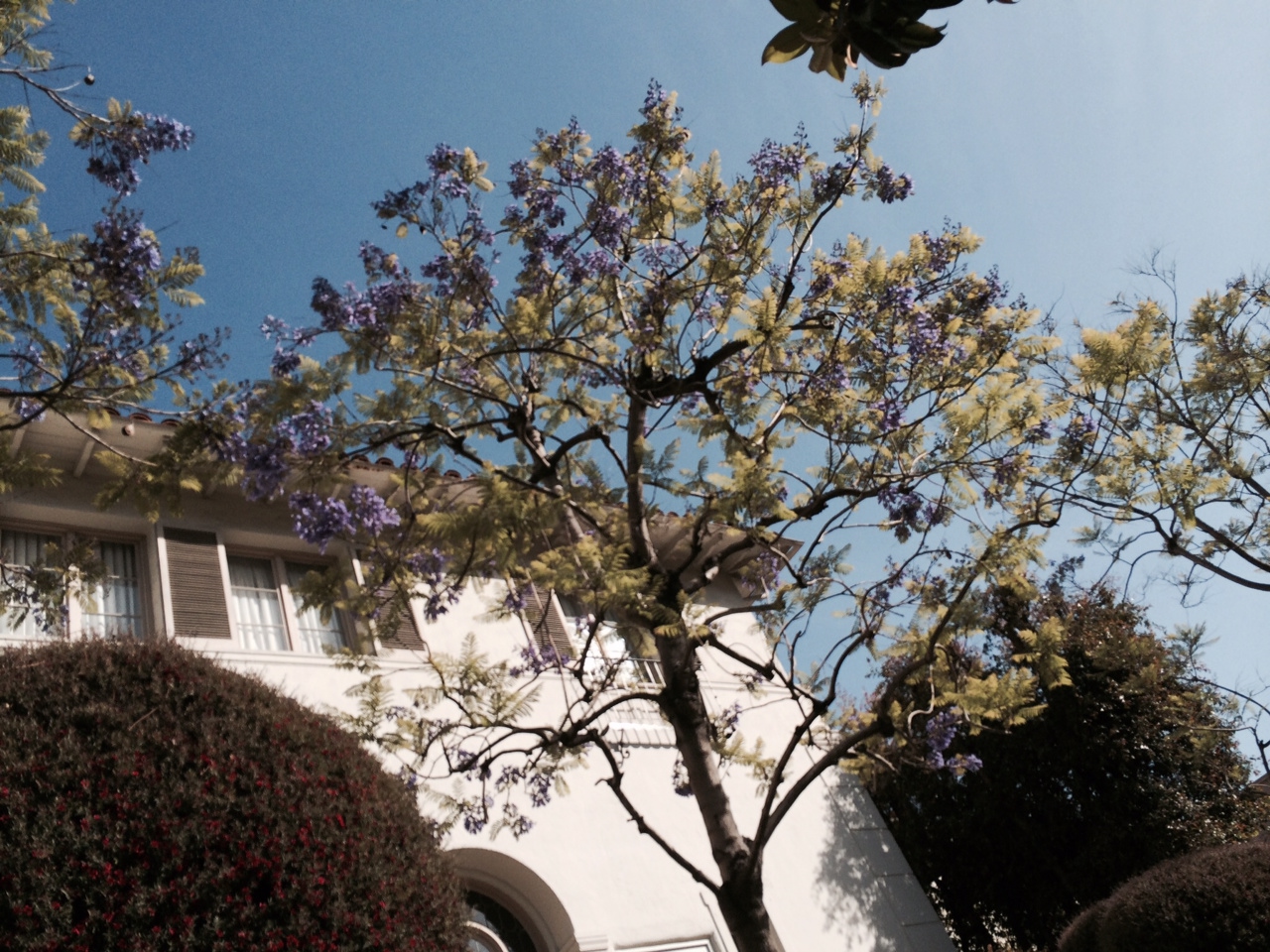
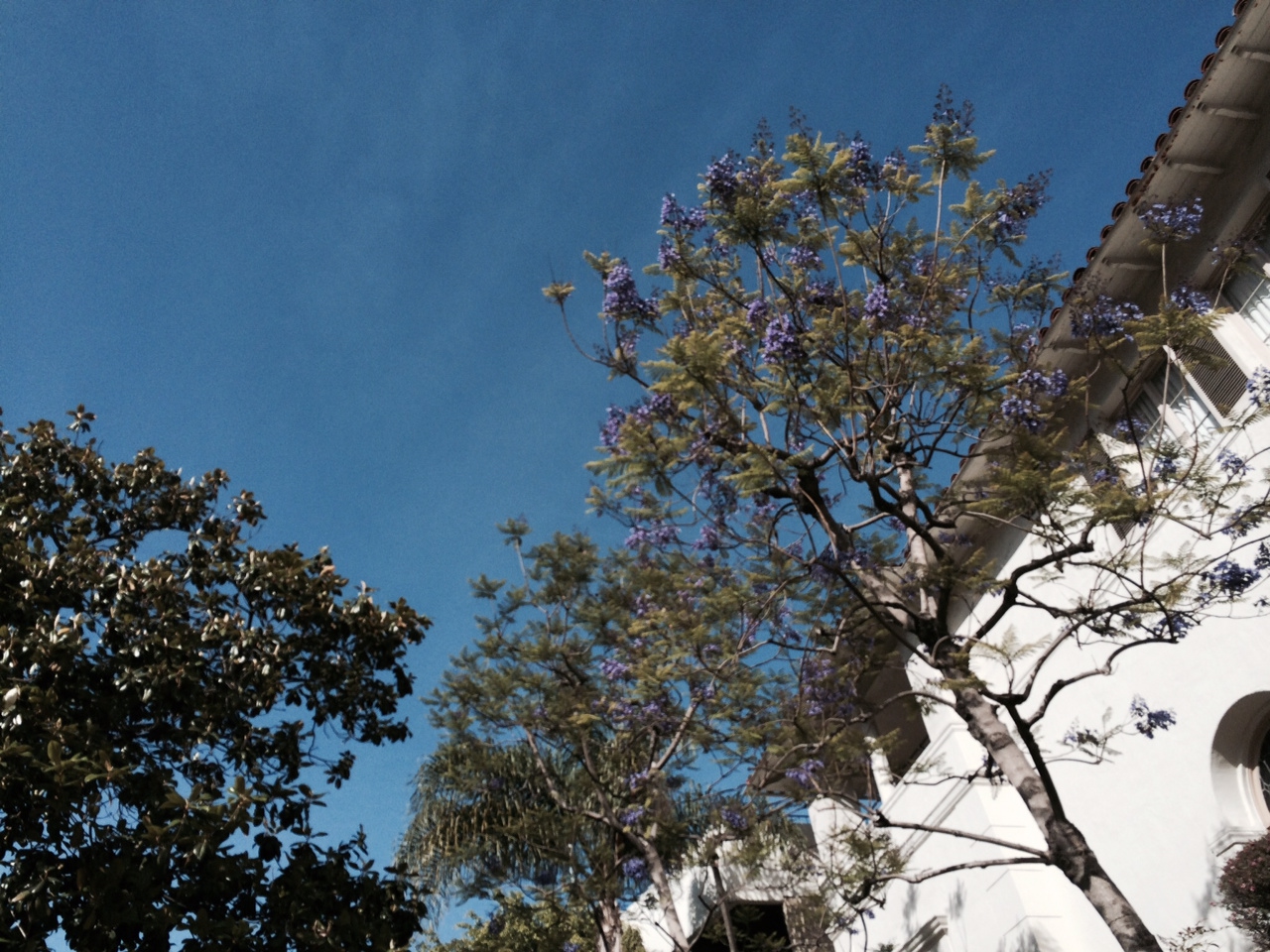
With cloudless azure skies, beautiful South Californian vistas, and the stunning UCLA campus, who could ask for more?

The next day, I was off, this time heading to Okinawa via Narita. What, Okinawa!?

To London -2: Shakespeare’s Globe

→Japanese


→Images of Shakespeare’s Globe

On my third day in London, May 1st, it was drizzling and a bit chilly.

In the morning, I strolled through Hyde Park for about twenty minutes to Marble Arch. I visited the office of a British friend who had just returned from a two year post in Singapore for about an hour. At the beginning of this year, his firm opened a new office in Tokyo and I had seen him at a reception at the UK Embassy in Tokyo. However, it was nice to sit down and have a relaxed talk.

At noon, I met with Ms. Ninomiya, who is a graduate student studying Politics at the University of Oxford and who worked on the National Diet of Japan Fukushima Nuclear Accident Independent Investigation Commission (NAIIC) in its translation and editing team. She had just submitted her master’s thesis and is currently finishing up the year, with her final exams to be held at the end of June (for these past two years, she has translated many of the entries on this blog). From there, we went to Chatham House and met with the former UK Ambassador to Japan, Sir David Warren. We talked for around an hour regarding the conference that is to be held in Tokyo in October of this year. I saw former Ambassador Warren only two weeks ago when he visited Tokyo and my office at GRIPS. Afterwards, I met with Mr. Mizuno, who is a member of advisory committee on the Japan’s Cabinet “Japanese NIH” Plan and had just returned to the UK from a business trip. We had tea at his club on Pall Mall.

In the evening we attended a play at Shakespeare’s Globe.

The production was “Titus Andronicus”. It is said to be the most brutal of Shakespeare’s revenge plays. Former Ambassador Warren, who had also seen it two days before, shared with us that the reviews in the newspapers reported several members of the audience having fainted during the performance.

The play was a three hour long production, starting at 7:30 P.M. and ending at 10:30 P.M. As can be seen in the photos, rain was pouring into the theatre, which only had a makeshift roof and windows with wooden frames and therefore, was very cold. The members of the audience standing in the yard area in front of the stage (the tickets are around six pounds) seemed to come prepared knowing this and it was very ‘British’ way of doing things. Even so, they were very patient in enduring the rain and cold. The yard area is also used by the actors as an extension of the stage, so it must have been exciting for the audience.

It was quite late when the play ended but Ms. Ninomiya was able to return by taking the bus that runs between London and Oxford twenty-four hours a day, which must be convenient for students.

My flight the next morning was with Virgin Atlantic and the check-in desk at the airport, the service and the lounge were all quite good.

To London -1

→Japanese

Last December, the UK government set up the ‘G8 Dementia Summit.’ Considering the increasing ageing population in many countries, dementia is a world wide problem. Many people must have experienced this personally through their families. Japan is one of the most ‘advanced’ countries in the world regarding this issue.

I suddenly received a message from the British Embassy regarding the Dementia Summit. It was a request that I serve as a Council member on the Global Action Against Dementia, an organization independent from the UK government and central in leading the Dementia Summit on behalf of UK Government. They stated that they could not yet make public the identities of the other members but the first conference would be held on April 30th in London.

I had just returned from a trip to Abu Dhabi and the Kansai region of Japan but as it was possible to book a flight with Virgin Atlantic and a hotel via the Japanese Embassy in London, I departed Narita Airport on April 29th.

I arrived at the hotel around 5 P.M. When I went to check in, I was told, “your reservation was made for next week.” There must have been some mistake. After an hour, I was able to get a hold of someone at the Japanese Embassy and reach a solution. I would be able to stay at this hotel for one night and at a different hotel for the remaining two nights. What an ordeal. It had been a chaotic time at the Embassy due to Prime Minister Abe’s visit to London.

The following day, I had a meeting at the Foreign and Commonwealth Office. It is the largest governmental building in British Government and is called the FCO (in Japanese). Upon my entering the building, I almost ran into the person exiting. Looking up, we recognized each other. It was Sir David King. What a coincidence! I had just received an invitation for dinner a few week ago to see David King during his visit to the UK Embassy in Tokyo on May 8th but unfortunately had to decline due to my schedule. He is currently the ‘Special Envoy for Climate Change’ of the UK Government. I was genuinely surprised that such coincidences really occur.

The conference lasted around five hours. I had looked over many documents before coming to the meeting and it seemed that the main topic of discussion were the goals for 2025 and what we want to achieve this year. This should be posted on their website shortly.

Afterwards, I went to a meeting, was shown around in the Parliament, Big Ben, and then had a meeting with the Minister for Health, Jeremy Hunt for around half an hour.

The inside of the building exuded a sense of the long tradition of the British parliamentary system. Some elements of the structure reminded me of the Japanese Diet but it the made me feel the heavy weight of British history.

After returning to the hotel, I met with Dr. Sahara, who previously worked at the Health and Global Policy Institute. We walked around nearby Queensway and stopped by a pub and restaurant, where I listened to him talk about his current studies at a fine arts school in London (it is a four year program) and enjoyed the sunny afternoon in London.

It was a very fulfilling day.

Gathering for Assistance for Africa, Ms. Anayango

→Japanese

There is an organization composed of Japanese businesses, the Gates Foundation, and the Japanese government, which tackles the major diseases troubling developing countries, namely malaria, tuberculosis, HIV/AIDS and others. It is called the Global Health Innovation Technology Fund (1) and I am the representative of the board of directors.

Malaria No More Japan, Health and Global Policy Institute and GHIT Fund co-organized a campaign event centered on young people. It was a very fun and lively gathering.

I met with a young doctor who I had encountered two years ago in Nairobi, as well as Dr. Sugimoto. I had not seen them for a while and it was nice to catch up with them. Dr. Sugimoto was in Japan but his family is in Nairobi.

Nyatiti is a traditional instrument in Kenya that can only be played by men but Ms. Anyango (Eriko Mukouyama) (1, 2) is the exception and she gave a marvelous performance playing the nyatiti and singing.

Japanese women are strong. Anyango was entranced by African music, went to Africa by herself and since then has been actively performing in the world. She must have encountered some obstacles along the way and it is impressive that she was the first woman to have been given the right to play this instrument.

It was a wonderful evening.

To Abu Dhabi and Her Highness of Qatar’s Visit to Japan

→Japanese

I arrived in Abu Dhabi on April 20th to take part in the Board Members’ meeting and graduation ceremony at Khalifa University. There are 350 students graduating this year. This university specializes in science and technology and is attracting many bright students.

The graduation ceremony took place at the Emirates Palace. The President of Khalifa University, Tod Laursen has held his position for four years and will see his first cohort of students graduate. The Crown Prince of Abu Dhabi was also present at the ceremony. Each student was handed the graduation certificate individually, signifying the significance and thought that went into the graduation.

I departed Dubai late that evening, or rather the next morning, at 3am and landed in Kansai Airport. Her Highness Moza of Qatar was visiting Japan and I joined the Qatar Foundation that day. The next day, I visited Kyoto University and joined Her Highness Moza’s tour of Shinya Yamanaka’s iPS Research Center. The next day, I joined their visit to Riken in Kobe and met with Chairman Noyori and went to the signing ceremony.

Japan’s relations with Abu Dhabi and Qatar have been centered on oil and gas but in these past ten years, mainly through the field of scientific research, efforts have been made for greater cooperation in human resources training. At the beginning of this year, there were several events held at Tokyo University between the main heads of the universities in Abu Dhabi and Japanese universities. In March, the Crown Prince of Abu Dhabi made a visit to Japan. During his stay, he visited the Tokai University Korin campus and spoke with Vice President Yasuhiro Yamashita regarding more interaction through judo as well as the joint development of solar cars.

Encouraging greater cooperation with the Middle East regarding human resource development is a wonderful thing for Japanese government and businesses, which tend to think of Qatar and the United Arab Emirates only in terms of business relations.

It is a challenge for not only Japan, but for all countries to develop individuals who can understand and reach out across the world.

Japanese universities should also build on their own unique strengths and have greater interaction and cooperation with the world.

A Bright and Energetic Next Generation

→Japanese

Last week, Ken Endo of SONY CSL, the breeding ground of crazy and eccentric individuals, stopped by my office along with Mr. Dai Tamesue and Mr. Sugahara of RDS. He came to announce that he has started a venture business in order to continue the research he had been conducting at MIT on prosthetics.

I have known him since he was studying for a PhD at MIT. I have supported him at See-D (in Japanese) and others.

While he has been active in promoting events that support people in poverty who use prosthetics due to accidents or land mines, he has also working with Paralympic athletes to further push forward the possibilities of humankind. One of his professors at MIT is Hugh Herr, who gave an astounding presentation on prosthetics at this year’s TED talk. With this technology, it may be possible for Paralympic athletes to surpass the record set by Olympic athletes. This was recently the case in the match between a computer and professional Japanese chess player (in Japanese).

Mr. Sugie of WHILL also came to visit, the first time since he moved his base to Silicon Valley. WHILL is a venture business that was set up by young engineers from four major Japanese companies. They introduced me to Mr. Hasegawa of WINGLE (in Japanese), which supports children who have unique talents that are less compatible with conventional educational methods.

Also, Mr. Matsuda of Teach for Japan, who I introduced on this site just recently was featured in the Globe section of the Asahi Shimbun (in Japanese).

There are many amazing individuals who are active in a wide spectrum of areas.

Twenty Years Since the Rwandan Genocide

→Japanese

The other day, I was invited to the Embassy of Rwanda by Ambassador Charles Murigande.

We talked for an hour at the Embassy in Fukasawa Setagaya, where the cherry blossoms were in full bloom.

I have not been to Rwanda yet but have some links ( 1 , 2 ) to Rwanda.

When I mentioned Romain Murenzi, the Executive Director of The World Academy of Sciences (TWAS), whom I have met with on a number of occasions, it turned out that he and the Ambassador are longtime friends, even having attended the same school and sitting next to each other in class. They have both served as governmental ministers and are also scientists.

The tragedy of the Rwandan Genocide started in April twenty years ago. Today, Rwanda has overcome this sadness and has transformed into a new country that looks remarkably different from its past.

The Ambassador had some documents with him and told me he had attended the GRIPS Commencement ceremony last September and that he had been very moved by my speech.

It was a meeting in which I felt that we had many common friends and stories to share.

Getting The Terms Right: Accountability and Risk Communication in the Japanese Language

→Japanese

I have talked about Jun Kurihara previously in my blog posts ( 1 in Japanese2 ). He widely reads and erudite, and boasts a repertoire that ranges from classics to contemporary books written in several languages. He uses his considerable linguistic ability to access literature in various languages, making his insights to be sharper and insightful. It is always a joy to talk with him, and we are never short for topics to talk about.

He is one of the few people who understand when I use the word accountability. In Japan, it is often translated to mean ‘responsibility to explain’, but this is a serious misunderstanding. The word accountability is used to denote ‘the fulfilment of duties and responsibilities one carries, encompassing more than the mere explanation that the wrong translation suggests.

Regarding this topic, Professor Kiyoshi Yamamoto’s ( in Japanese ; in English, ‘How ‘Accountability’ has become ‘Responsibility of Explain’ in Japanese’ ) excellent book is worth reading. And Mr. Kurihara has already started quoting him, as I shall talk about later.

Last year in June, when I was presenting at the National Academy of Sciences in the U.S, I stated that in Japan the the word ‘Accountability’ means ‘Responsibility to explain’, thus a typical case of ‘Lost in Translation’, there was a strange reactions, ‘uproar’ , among the audience.

In a similar case, Mr. Kurihara has commented on the word ‘Risk Communication’ within his column ( in Japanese ), and if one reads it, one can understand why I have not used this word within the NAIIC Report.

Loaning words from a different language ( in this case English ) is fraught with opportunities for misunderstanding, and we need to make sure that we understand in what sense the word is being used.

‘Be Movement’ Interviews Me

→Japanese

‘Be Movement’ is one of the most exciting emerging media in this net-savvy age. It is good to see young people embrace the possibilities of a globalised age and try out new things.

Recently, they carried a special issue about Japan, perhaps in commemoration of the third anniversary of the East Japan and Fukushima disasters.

An article about Mr. Kogure of ‘Table for Two’ comes right after my interview. Given the focus of their special issue, they paid special attention to what I had to say about the NAIIC Report.

Although a bit long, I would like to request my readers to go through the interview during their spare time.

JAPAN’S SPIRIT -Strength through the Storm-
(be movement pp114-122)

My thanks go to Cassie Lim and her team.

SAFECAST, Paving The Way For The Future Of Radiation Measurement

→Japanese

Ever since the Fukushima nuclear disaster, the official reports about radiation levels issued by the government as well as the radiation monitors on-site have been met with suspicion. Notwithstanding the fact that the disaster was caused by unprecedented natural causes, the way in which information was relayed to the public has been heavily criticized and doubted.

A week after the Fukushima Nuclear disaster, a decentralized model of documenting and sharing radiation readings that was dependent on the participation of the locals called ‘Safecast’ was set up. I have discussed this organization previously in my blog.

It all began with the assembling and usage of personal measuring instruments and sensors, checked to see if they provided accurate readings. The data collected through the use of these instruments was made available instantly on the sensor network. This was an elegant solution to the problem of the need for transparency and visibility, and the trust gained through the achievement of these two goals was backed up by the necessary technical expertise.

And as if to mirror global trends, the methods to build a sensor, the process by which to share the data online, and other required steps have all been simplified and put down in an easy-to-understand manual, allowing for anybody to participate and thus spreading this movement globally.

The accolades do not stop there. The IAEA recently recognized Safecast as one of the prime examples of contemporary information processing, and have rated it very highly. A quick look through the following two sites ( 1 , 2 ) will help form a rough idea of what I am saying here.

An article by ‘Atomic Reporter’ sums it up, remarking that it is “no wonder Safecast has a following at the IAEA. Two random guys in Japan became more widely trusted by many than 60-years of UN-agency authority”.

I urge you to go through the two websites mentioned, because although they are a bit lengthy, they are an accurate portrayal of the going-ons within the IAEA, and show how the Safecast team earned their fans within the crowd.

In our modern day and age, where the proliferation of the internet and increasingly smarter devices is making information more accessible, it is important to remember that sources of information must ensure independence, transparency, scientific verifiability, and adhere to international standards. It is when these four criteria are met that a source of information is afforded trust and belief. The NAIIC report was also executed with these four criteria in mind.

But can the same be said of the Japanese government, the authorities at TEPCO, the bureaucracy, the companies, media, universities, all these organizations dependent on maintenance of the status quo? How do they measure up to the needs for public disclosure, transparency, and international standards?

You can be a part of the Safecast network in various ways: one could perhaps build one’s own sensor and upload the data from the readings. This network of cooperation  is slowly but surely being cast across Japan and the rest of the world.