At Chatham House: From G8 to G20, Issues on Health and Development

→Japanese

Photos by the courtesy of NHK Asian Voice and HPI-Japan

Chatham House in London is more formally known as The Royal Institute of International Affairs, one of the world’s top Think Tanks on international issues, a place for debates, famous also for the rule often referred to as the ‘Chatham House Rule’

This Chatham House, CSIS, an American Think Tank in Washington DC (Ref.1), and  our Health Policy Institute Japan have spent about a year preparing for this meeting at the Chatham House which was held on June 30.  The meeting was scheduled at the timing of the G8 Summit in Canada that took place a few days earlier, and the theme of the meeting was ‘Global Health: What’s next for the G20? Investing in health and development’.

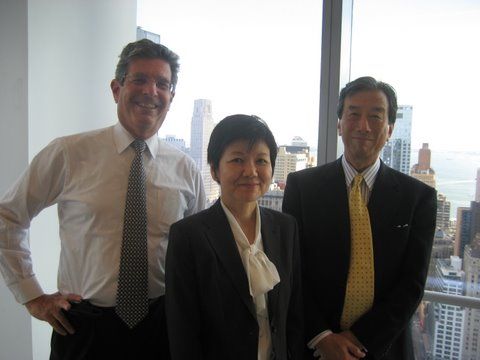
Its agenda, panel speakers, and sponsors were all superb.  I understand that the total number of participants was around 200.  Dr. Shigeru Omi (in Japanese), former regional director of WHO Western Pacific Regional Office, represented the government of Japan.  Also, some Japanese officials in London were present including Minister Oka of Japan Embassy, from JETRO, and NHK crew came to report this meeting.  I would like to extend my sincere thanks to them all.

Now and in the future, such process of independent Think Tanks or other non-governmental institutions hosting and organizing conferences to set global agendas to lead discussions that in the end can come up with some overall understandings or agreements is and will be extremely important.  Organizing and participating in such conferences have been a very good experience to us, too.  I myself was honored to have a role of listening to the discussions of the day and wrapping them up in the closing.  We also tried to make clear what we could do with the outcomes of this meeting, or what our next steps could be.

These things are easy to say, but actually to reach to this point was truly a tough task. I did write several postings on this process in this site (Ref.1, 2, 3) in addition to the reports which are posted on the web site of the Health Policy Institute, Japan.  Most importantly, we must understand that in the global world, building ‘personal’ credibility/trusts’ amongst ‘colleagues of the world’ is the basis of everything. 

It seems to me that one of the fundamental problems of Japan lies in the conventional attitude of the majority of the Japanese people who think that those global issues must be handled by ministries in charge, i.e. government offices or bureaucrats, or big companies if talking about industry.  In other words, our society is not yet mature enough as the ‘Civil Society’ – at least in my view.

So, let us all together nurture as many human resources and capitals as possible who are capable of taking actions based on the deep understanding of the importance of actions by independent individuals who do not necessarily rely on ‘governmental authorities’, as well as the importance of development of mutual trusts in individual levels, particularly in this ‘global’ and ‘flat’ world.

Commentary and Other Publication Relating to Harvard University

→Japanese

This year, I was invited twice ? in January  and May (Ref.1) – to participate in the activities of Harvard University.

No publication was issued of the meeting of January, but for the meeting in May  a report for the participants only was prepared under the Chatham House Rule.  One of the participants, Mr. Kurihara wrote in his Gazette (in Japanese) that he ‘laughed many times during Professor Kurokawa’s talk’ (p.3 left column) which I take as ‘honor and pleasure’.

Since the report includes a short description of that part, I will quote it below.

Session 2: Biotech Models for Development
、、、、
‘Panelist Kiyoshi Kurokawa, Graduate Institute for Policy Studies, Japan, addressed the issue of biotechnology by first delineating some key issues related to its development ? globalization, food and water, environment, and biodiversity ? and then discussing some of the challenges facing countries interested in advancing biotech. Citing Ghana and Botswana as examples, Kurokawa argued that developing countries have little need for the newest and most scientifically intricate technologies, like genetic recombination. Rather, they need simple technologies that can be used to improve the quality of life for local people.

Kurokawa advocated the deployment of existing technology to address the most severe of world crises, like food and water shortage. Such use of technology could also result in bottom-up growth and benefit social entrepreneurs. Again emphasizing the local, Kurokawa further argued that biotech enterprises should also consider how “indigenous knowledge” might propel new developments in biotechnology. Local remedies, like the use of bark to treat malaria in China or of aspirin, have the potential to help biotechnology better address the “big needs” of the world today.’
、、、、、、
‘In the discussion that followed, Kurokawa re-emphasized his position that while frontier science contributes important discoveries, these discoveries should be shared and there should be a collective effort to apply new advancements to the betterment of the human condition.’

Another publication is a Commentary which I co-authored with my colleague Dr. William Saito for ‘Harvard Asia Quarterly’  published by Harvard Asia Center.  Its title and summary are as below.

Global Climate Change:
The Interconnection with Medical Technology and Health Care

Medicine, along with culture and technology, can both cause and resolve the problem of climate change. Medicine has helped reduce infant mortality and increase longevity, thus contributing to overpopulation which results in excessive pollution and resource consumption. But it can also help solve these problems by providing better forms of contraception and education.

The full text  is about 7,000 words which is a bit long, but if you could spare time to read it, I would be very grateful for comments and suggestions.

Students Passionately Searching for the Ways to Serve the World. Why not Join Them this August?

→Japanese

This is another posting on the‘Global Change Maker Program’ which you may be familiar with by now.  This program was organized mainly by the undergraduate students of Waseda University, with the help of their supporters.  Now at last its first project ‘E Education’ is going to launch jointly with Grameen Bank led by Professor Yunus.

Dear youths and students, why not consider participating in their activities this summer?

Below are the details.  I urge you to raise your hands.  Actually, I have seen participants from the last year and saw how they their eyes were opened to the world and have become motivated and some are already in ACTION.  This is truely a wonderful project.

Their web sites are;
1.http://profile.ameba.jp/wakurevo/
2.http://astu0301.blog13.fc2.com/ etc.

And see the video at ‘YouTube’.

In my web site, see postings of;
June 6th, 2010
April 14th, 2010
June 29th, 2009
December 19th, 2008

This year’s program is from August 18th to 29th.  See below for details.  Join them and go out to see the world!
━━━━━━━━━━━━━━━━━━━━━━━━━━━━━━━━━━
Dear everyone who expects to become a driving force of the world 10 years from now.
+ Global Change Maker Program +
12 days’ exciting program for you to learn and experience how to change the world
For details/applications ⇒ ⇒ ⇒ http://www.gcm-p.com/
━━━━━━━━━━━━━━━━━━━━━━━━━━━━━━━━━━

New York City; Wonderful Season, Great Discussions, Reunions With Young Physicians

→Japanese

After 14 hours’ flight from Seoul, I arrived at JFK Airport.  The weather looked great from above few clouds but it was also a delight to feel the refreshing dry air as I stepped down the steps from the aircraft.  This is clearly the best season of the year in New York.

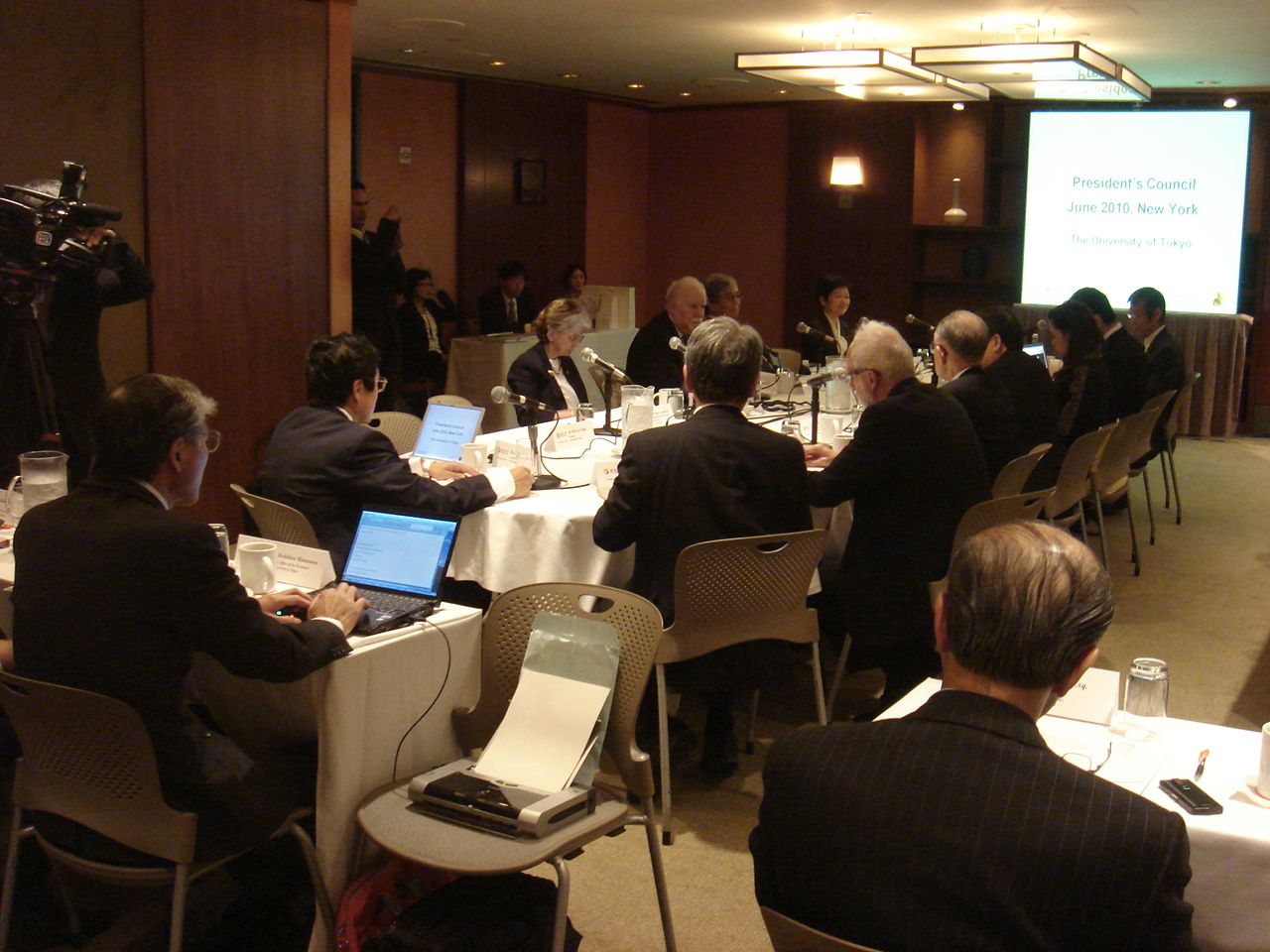
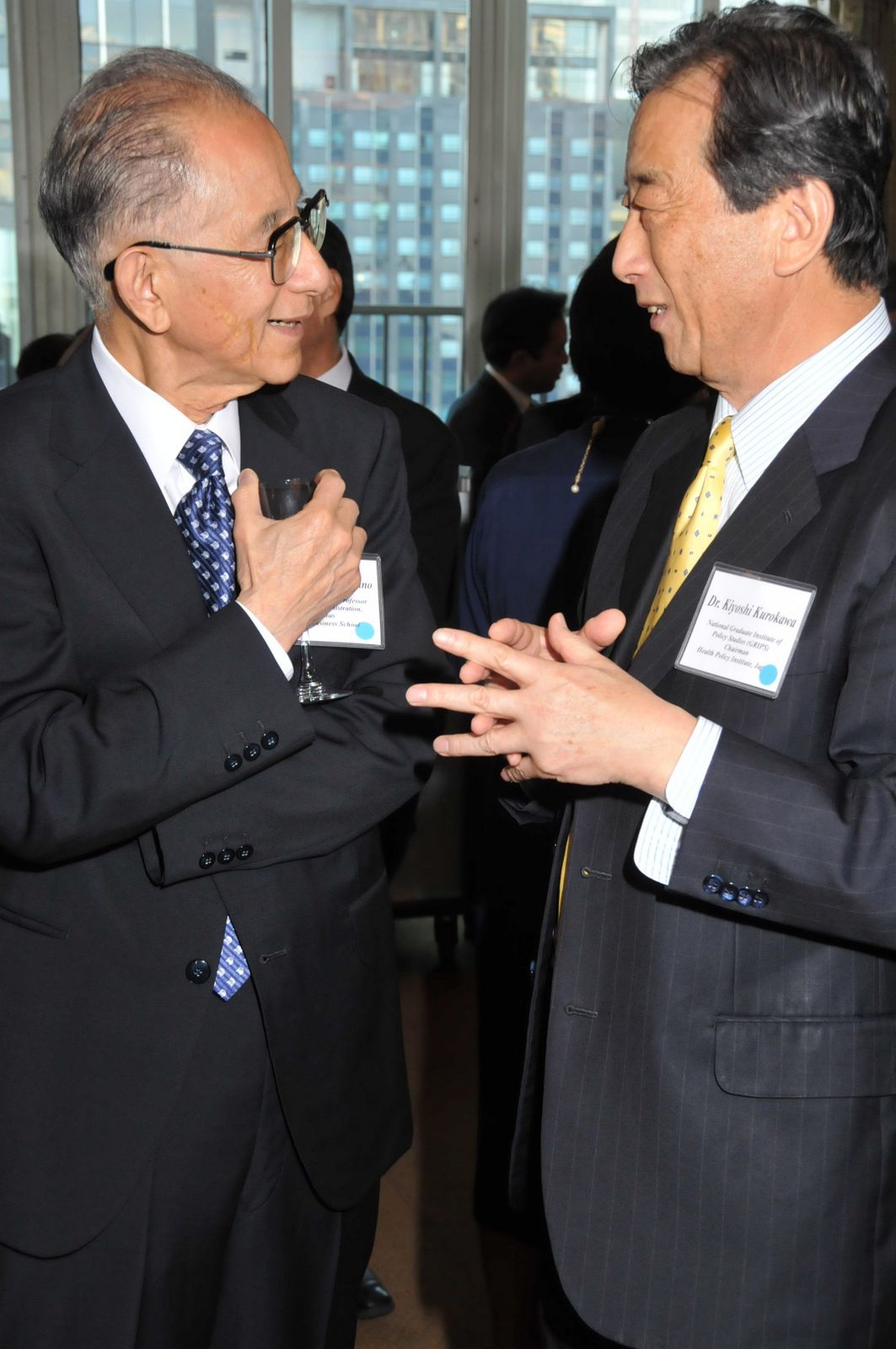
I headed to Le Meridian located in the Mid-Town Manhattan , the venue of the President’s Council (Ref.1 ) of the University of Tokyo.  You may remember some of my previous postings on this Council.  It was originally founded by former President Dr. Komiyama, is now succeeded by President Hamada.  Last meeting  was held at the Komaba Campus of Todai, which included an initiatives, two separate seminars by two Council members, Bill Emmott-san and by Victor KK Fung-san.

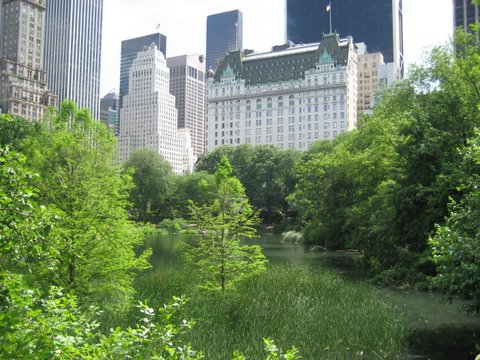
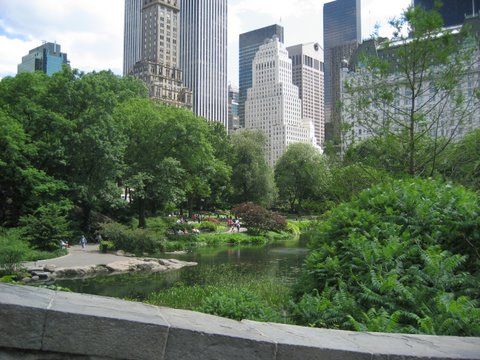
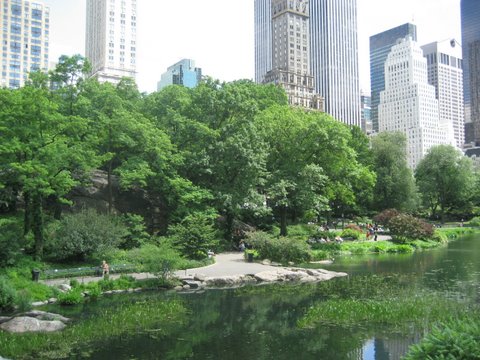
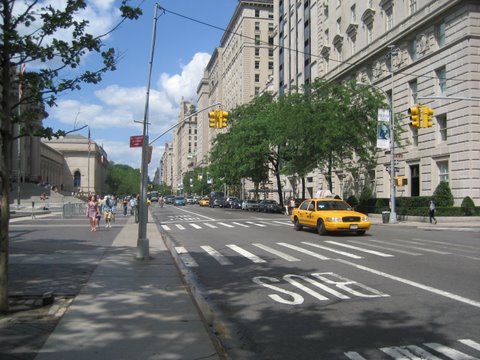
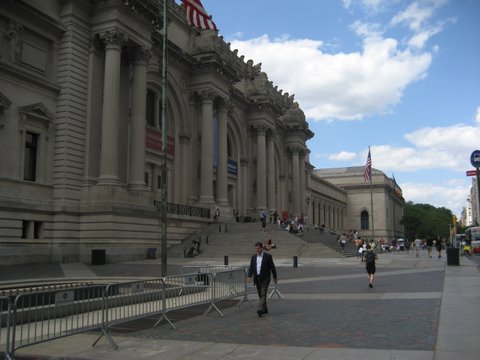
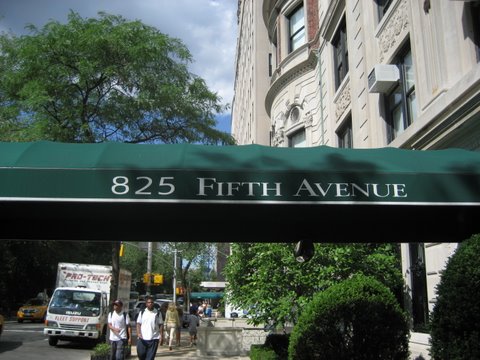
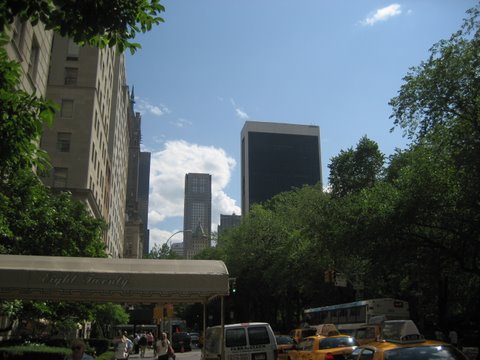
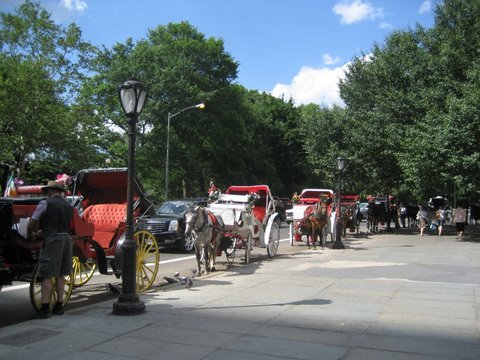
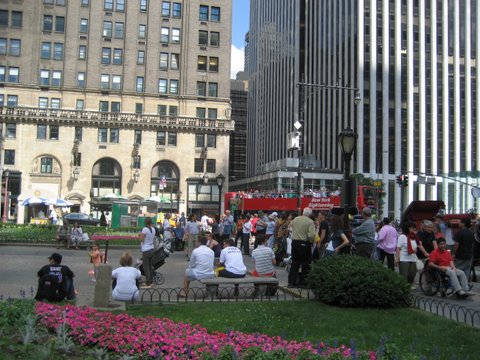
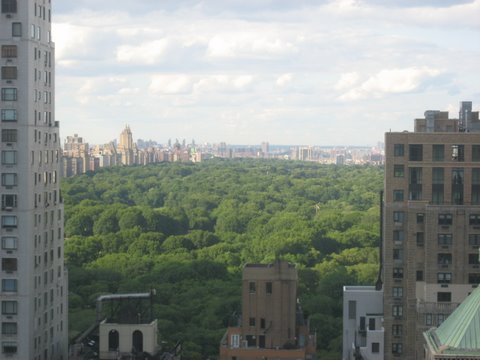
After checking in to the hotel and taking a short rest, I spent a wonderful afternoon in the fresh leaves and soft breeze walking for about an hour in the Central Park  (Ref.1,2) to MOMA  (it was a pity that the museum was closed because it was Monday), and through the Madison Avenue.

In the evening, a reception was held with the local Todai alumni association joining in (article on this is uploaded in the University archive of June 8th ), and the number of people turned out to be quite large.  I was happy to see several old friends whom I had not seen for a long time and of course was glad to be introduced to many new friends.

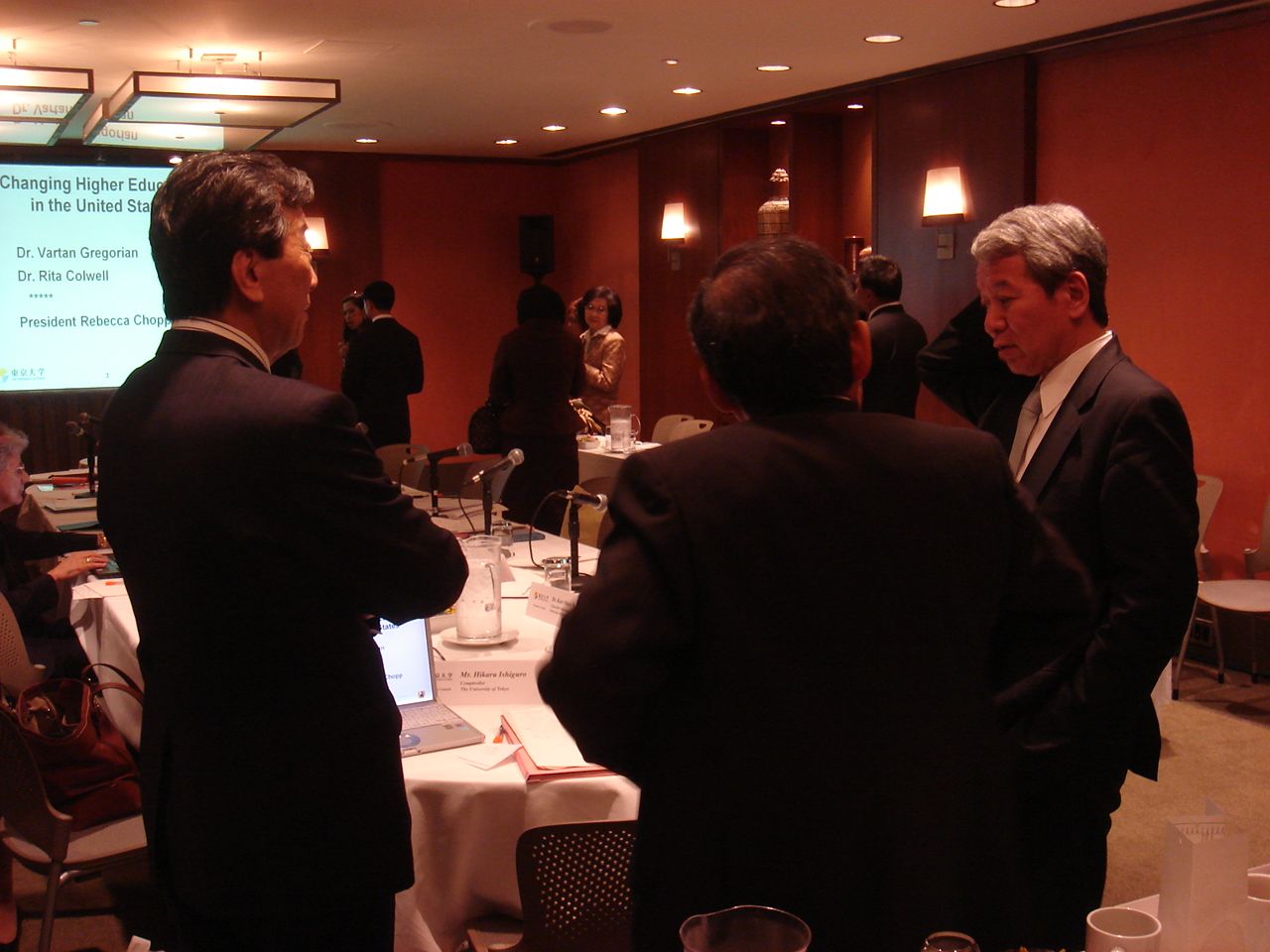
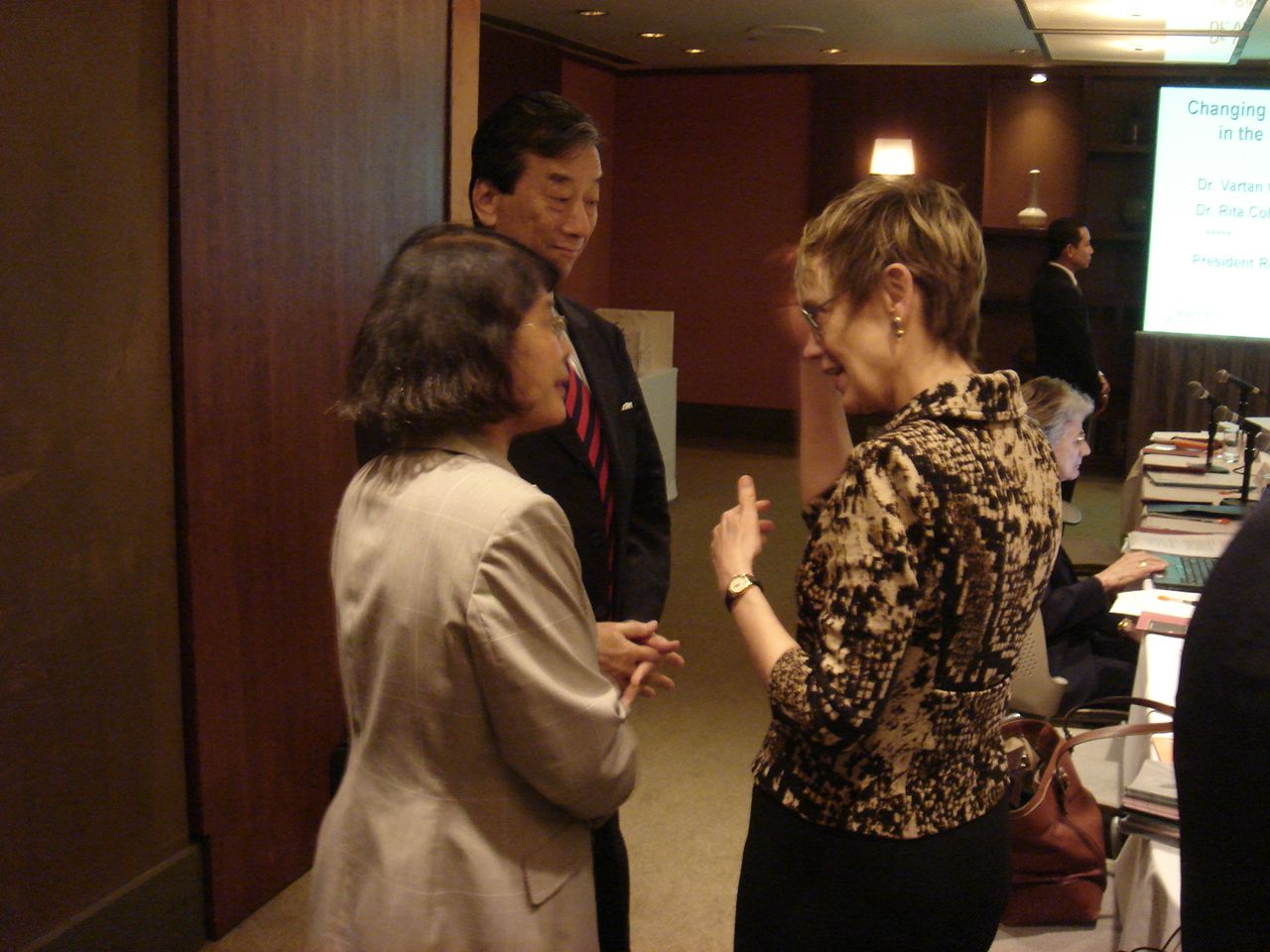
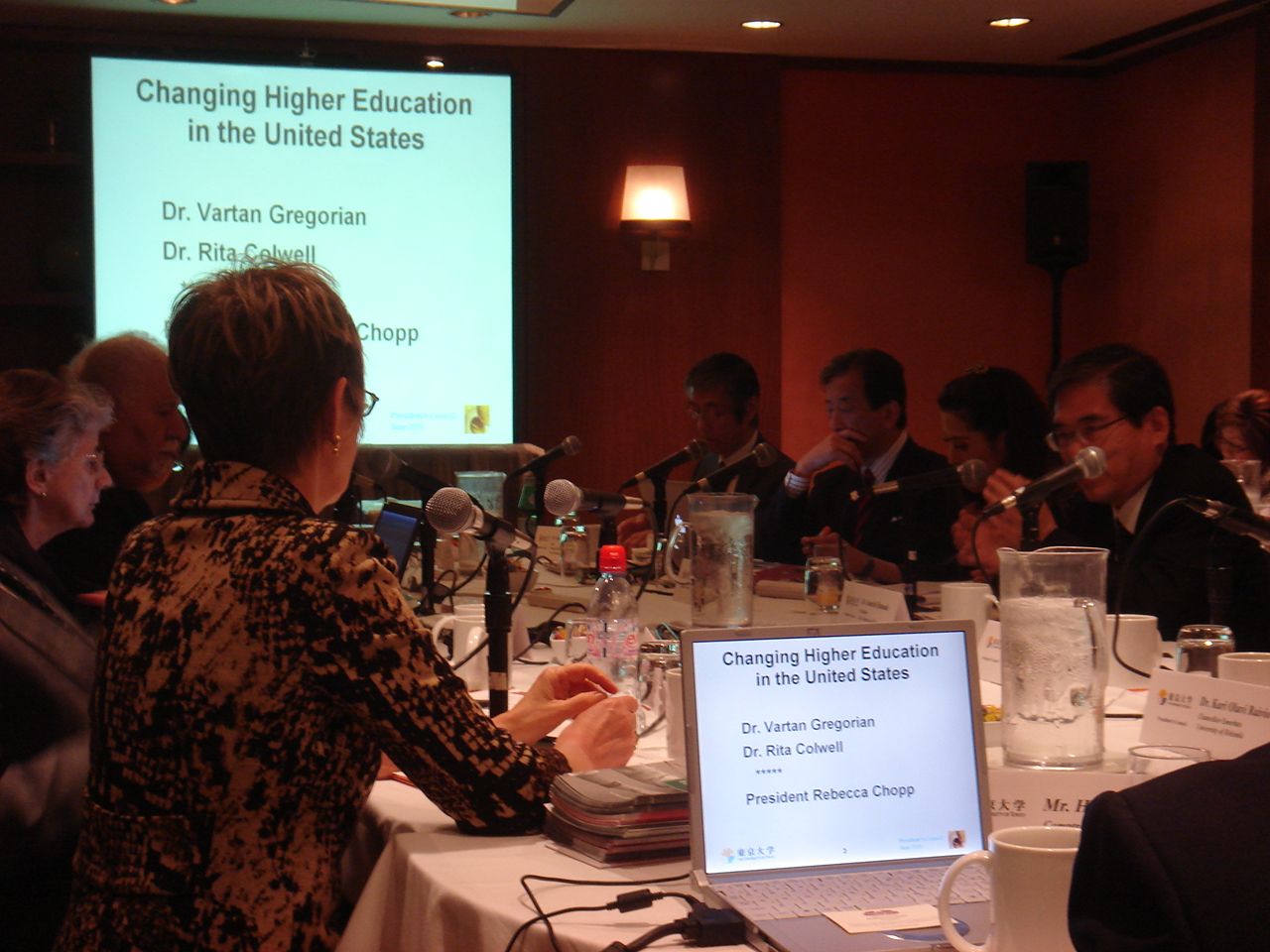
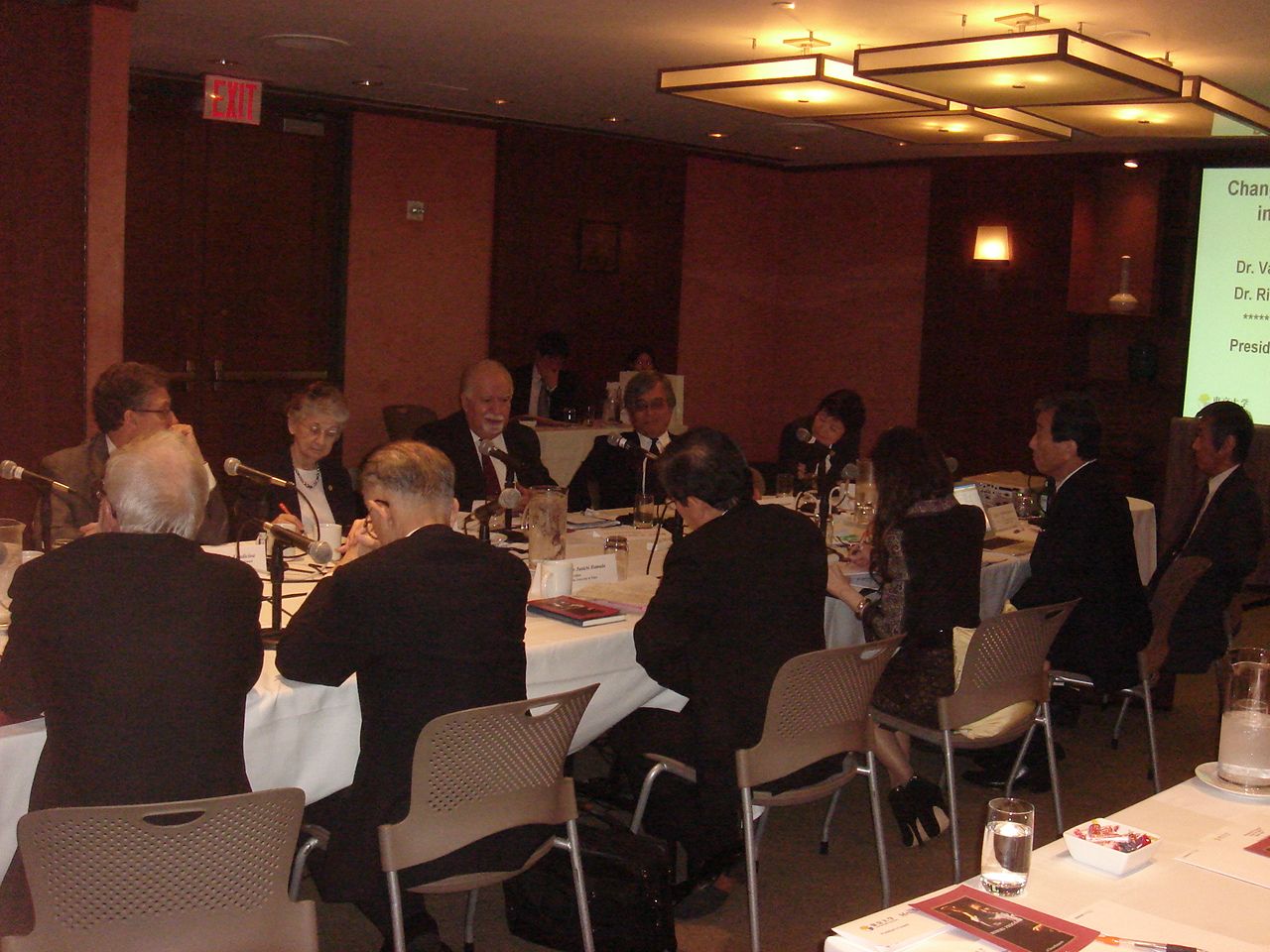
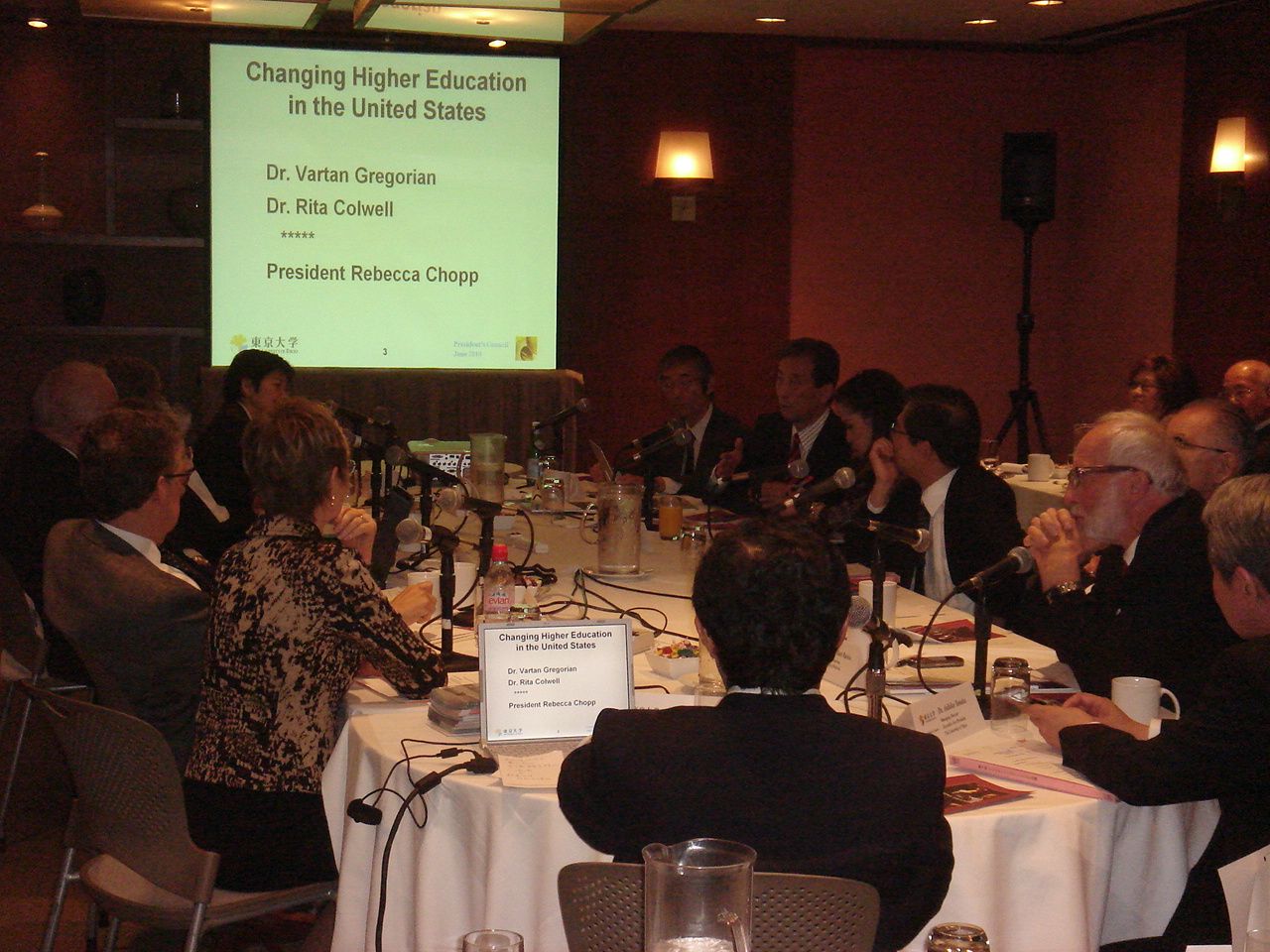
On the next day, the President’s Council meeting opened welcoming the members including professors Princess Chulabhorn Mahidol of Thailand, Vartan Gregorian, Rita Colwell, Kari O Raivio, Michael Y Yoshino of Harvard, P Laudichina-san of AT Kearney, Yoshi Yokoyama-san, the former director of McKinsay & Company Inc of Tokyo.

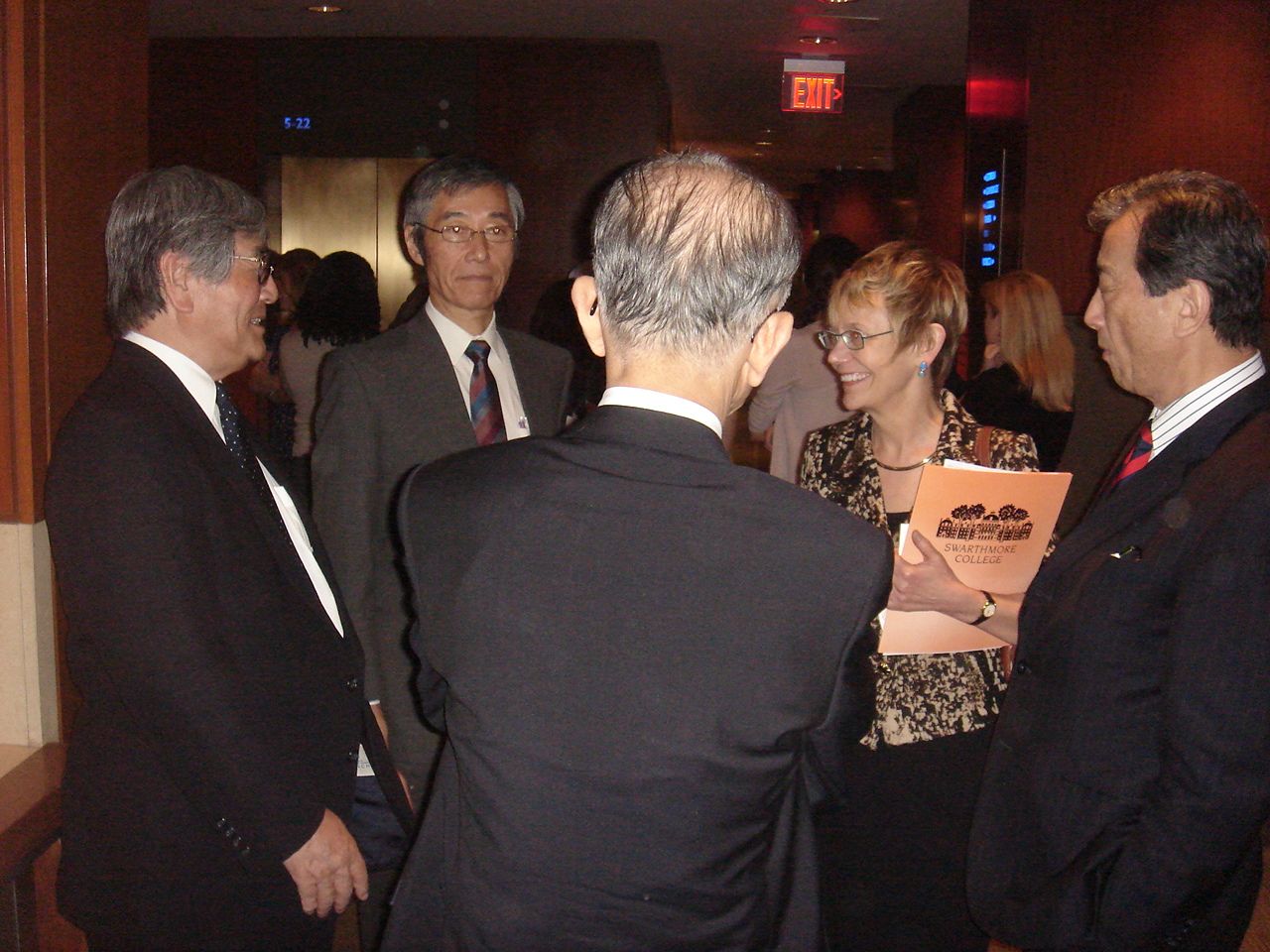
Special guest of this meeting was Dr Rebecca Chopp (Ref.1,2) the President of Swarthmore College.  Main theme was ‘Liberal Arts’ education.  I will write on this further in a separate posting.

In the evening I enjoyed having dinner with young Japanese physicians, some in  medical residency at a medical center in NYC, and their OBs/OGs.  We had nice heated discussions on a variety of topics.  It is my firm belief that to nurture as much as possible those kinds of talents, to encourage more young people to work in broader fields outside of Japan, is so crucially important not only for Japan’s tomorrow but also for Japan to be trusted by other nations of the more and more interconnected world.  To let young people in Japan know about those young (Japanese) people studying and working at overseas, to show them good role models that they can look up to as their short-term future choices, is a very important element in the education of and nurturing young Japanese potentials that are well capable of working in dynamic global world.
Japan, UK, US, Korea Cancer Clinical Trials International Symposium ? A Report

→Japanese

In my May 29th posting I have reported that we hosted Japan, UK, US, Korea cancer clinical trials international symposium.

A report on this meeting is now uploaded on the web site of Health Policy Institute 

Every session was excellent, but from Japan’s standpoint, the rapid internationalization and growth of Korean clinical trials in the last few years was impressive and very much worth focusing.  Details are illustrated in the slides (especially the latter half, #7 and after) of Professor Yung-Jue Bang of Seoul University, the 3rd presentation in the plenary session (first presentation was by Dr. Miyata of Ministry of Health, second was Dr. Kondo, Chief Executive of PMDA).  Please note that cancer or oncology is now the largest stream of clinical trials in Korea. 

I think that these rapid changes were possible through the excellent co-operations and leadership among government agencies, universities, health care stakeholders, indurstry etc., strong initiatives in prioritization, good decisions and quick actions for internationalization (introduction of international standard systems).

For Japan, the fastest way would be to participate aggressively in multiple international clinical trials right from the early phases, simultaneously.  Understanding, co-operations, and pressure of patients advocacy and their family would be crucially necessary to make it possible.

The so-called ‘Drug Lag’ is not just a problem of regulatory agency, but equally important factors are the speed of decisions of companies and clinical trials process

Youths Awake; A Project Started By Going Out to the World

→Japanese

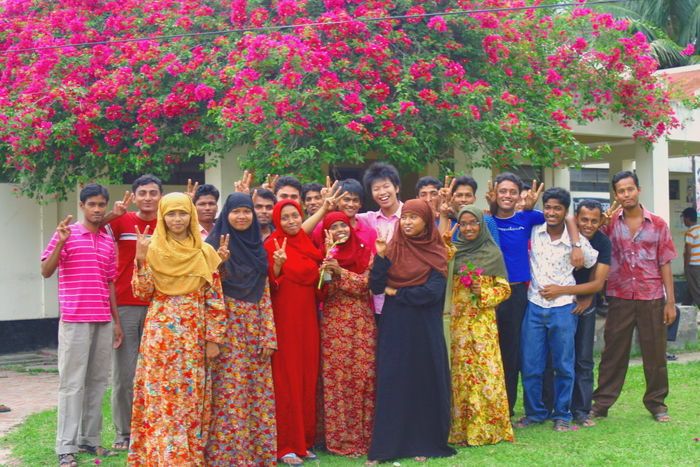
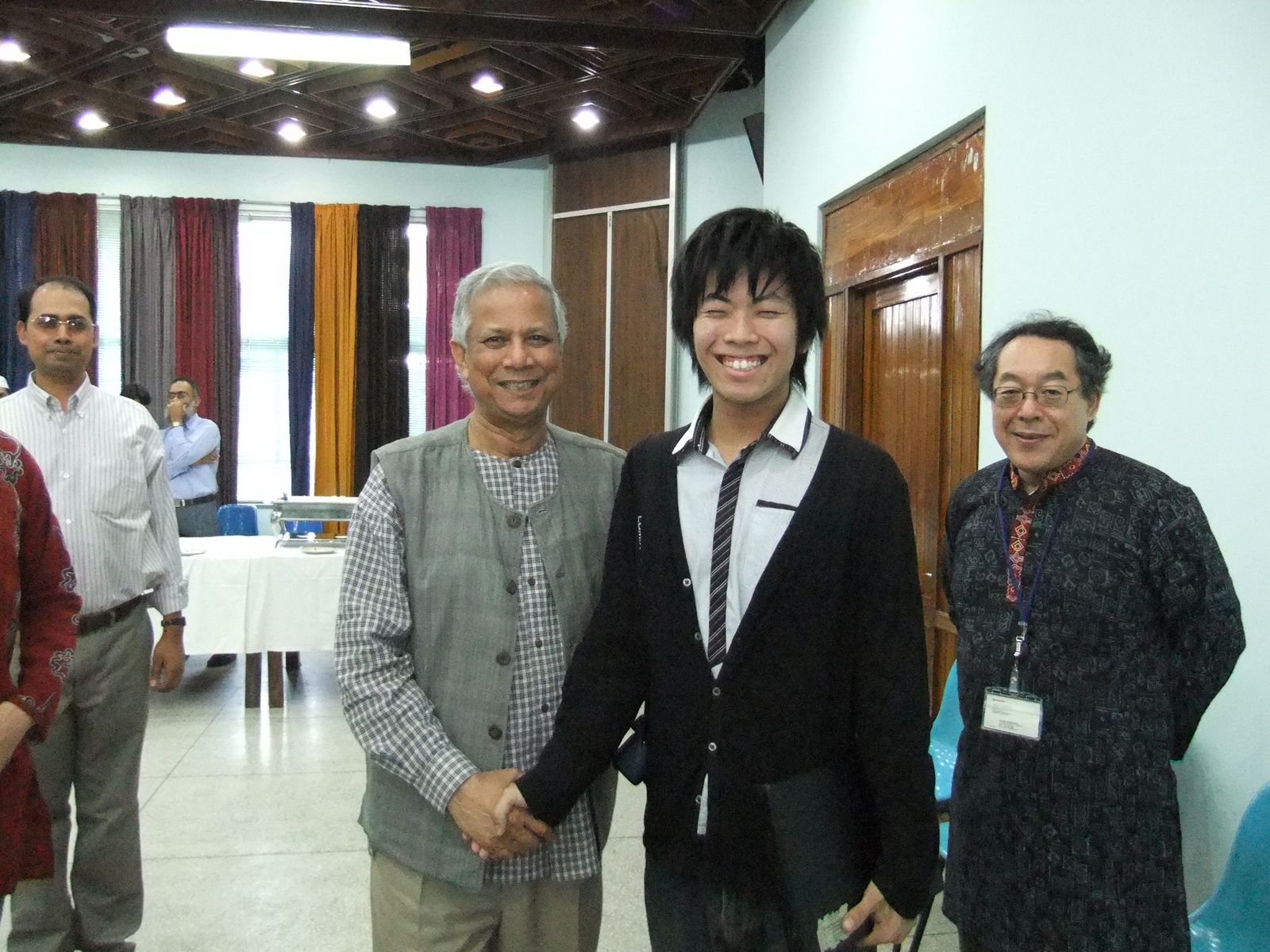
PHOTOS: Saisho-kun receiving a ‘Go’ sign from Dr. Yunus, female students of the program.

The youths whom I have been writing about for some time (Ref.1) have at last fully started their activities in Bangladesh.

A report on this also appeared on the recent Asahi Shinbun newspaper .

Students took leave of absence from Waseda university to visit the site, and while trying to appeal their activities in Japan, searched for the ways to solve the problem they focused, made plans, worked, tested, and at last launched the first Japanese social business in the ‘Grameen Bank’ – the ‘E Education Project’ led by Saisho-kun of Waseda University (Ref.1 in Japanese).  His friend at the Waseda University, Miyoshi-kun also took a leave of absence this year to focus on the next project in Bangladesh. 

The goal of this ‘E Education Project’ is;
1. Produce future leaders of Bangladesh from this village.
2. Provide education of the highest quality via ‘E learning’ to passionate students from low income families in the rural villeges, and have them get to University of Dahka, the top university of Bangladesh.

The ‘Story’ of Saisho-kun goes as below;
1. Atsuyoshi Saisho, the 20 years old youngest Grameen Project Coordinator used to be a drop-out student, the lowest in grades at high school.
2. His teacher asked his parents to see him/her at school and told them ‘Atsuyoshi is only good enough to go to the 3rd class University, and will take two years to even succeed that!’  On that day, he enrolled in the Toshin High School, a cram school.
3.  Saisho-kun mastered 3 years’ syllabus in 3 month using the DVD digital lectures, and succeeded in entering Waseda University.
4.  This experience faded as he worked at the ‘Grameen’, but one day he witnessed a serious shortage of teachers at a village primary school.
5.  ‘Isn’t it the Toshin model that this country with shortage of 40,000 teachers need?’
6.  ‘An education model that anyone, anywhere, any time can have access to the lessons of the best teachers’.
7. Saisho-kun presented this vision to Dr. Yunus, the President of the Grameen Bank, and a strong go sign of ‘DO IT!DO IT!GO AHEAD!! ’ came back!
8.  He launched a social business co- operated by the Grameen and Hitotsubashi University Institute of Innovation Research (Professor Seiichiro Yonekura).

The Outline of this Project is;
Make digital contents of lessons by the best teachers at Dhaka, and distribute them to the village children through Grameen networks.

1. Program;
1.1. Contents to prepare for entrance exams of University of Dahka:
Intensive courses by the 3 best teachers in Bangladesh (Bangli, English, Social studies).
1.2. Contents on Leadership:
Leadership Programs by the young Bangladeshi social entrepreneur EJ Ahmed, one of the best students of Professor Hyetts of Harvard University.
1.3. Future Career Development Contents:
Weekly interviews via Skype internet phone service with students of University of Dahka
Class on future careers by the Professors of University of Dahka

2.  Period of Time and Goal;
2.1 Class will start from June 2010.
2.2 Class will continue through November, 2010 the month of entrance exams of University of Dahka (5 months).

3.  Target;
20 (including 7 female) 9th grade students from farm village of Ekhlaspur.

4. Future Visions;
4.1. In 2010, structure one success model.
4.2. From 2011, gradually spread this as social business via the network of 600 branch offices of Grameen existing throughout Bangladesh.
4.3. By 2015, provide education to 6,000 children.
4.4 After succeeding in Bangladesh, expand the model to ‘Asian nations with problem of shortage of teachers.’

5.  Story:
5.1. In farming villages, lack of ‘hope’ is the most serious problem for children.
5.2. ‘Role models’ that children would want to look up to do not exist in their neighborhood.  The goal is to present models that make them want to ‘do a cool job like this’ or understand that ‘such kind of future career exists’.
 
Saisho-kun wants to;
“Deliver children ‘chances for the future’”
This is his ultimate goal.

What do you say?  Isn’t it wonderful?  They are beaming with enthusiasm.  Let’s support them.  But moreover, please think what each one of you can do.  The world is broad so go out and see for yourself.  The world is waiting for you to join their work.  It is precisely for this purpose that I say ‘Let Us Take Leave of Absence from School’ (Ref.1). 

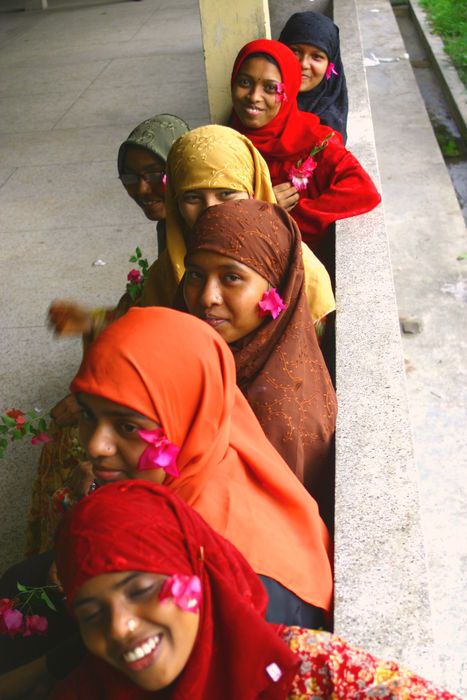
By the way, when they called for participants of the program more than 20 students applied for available 10 slots and among them were 7 female students (photo above) gathered in this country of Islam.

This is truly a great accomplishment!  People of the village said that it was ‘a revolution’.   I was told that the teacher of the local high school who brought the talented female students to this program said ‘They are the Hidden Treasures of our village.  But there is no way that we can get them to the University of Dahka.  Please save them with E education.’   The class will start in June.

To end this column, please listen to the passion and determination of Miyoshi-kun (in Japanese).  I believe that such desire, strong will of each people, when gathered, becomes the force and drive to make changes in Japan and the world.
Doha, Qatar -2: Global Redesign Summit and Madame Sadako Ogata, President of JICA

→Japanese

The purpose of this visit to Doha is to attend the ‘Global Redesign Summit’.  Programs and other information are posted on the web, but at this meeting all documents and reports abide the ‘Chatham House Rule’, a style that do not disclose the identity of the speakers, and its exceptions are very limited.  Therefore, we need to obtain consent from the host of the conference and the speakers in order to reveal who said what, even in a blog like this.

The intention of the agenda of this Summit as I understand is to pick up issues from the discussions of the past ‘Global Agenda Councils’(Ref.1, 2), focus, have them further discussed at this Summit and carry the results perhaps to the next Davos Meeting in January using them as the basis of discussions at panels and other programs so that some kind of global actions may arise.

As usual, the programs were divided into several themes in which I found one interesting session titled ‘Oceans’, an unusual theme.  ‘Oceans’ has been one of my interest for a while, and since the content looked attractive, I decided to join.

I had an impression that participants were carefully chosen and invited (though many naturally could not come due to other obligations) for this Summit, with members of the ‘Global Agenda Council’ as the core.

Since I have been helping the work of the World Bank on Development (Ref.1) for 2 years as a ‘volunteer’, I joined mainly in the sessions related to ‘Development’.  Committee members presented each point in about 5 minutes to express their views from their own standpoints to set issues for the discussions that followed.  The number of participants was about 50 or at most, 100 in each session, so it was a comfortable size to exchange views and discuss.

In such meetings, you are given opportunities to listen to many experts that make very good points, hear different views, observe the way good discussions are conducted, and hear the views of many leaders of the fields.  Also, you learn how to express your view within a limited time frame, how to lead discussions, expand the scope, or to introduce new viewpoints.  I always learn a lot from this sort of events.
 
As I have reported to you in my past columns, President of JICA, Madame Sadako Ogata is a wonderful speaker and one of the true leaders of the world.  Each word of her comments is very clearly understood by other participants, appreciated – and by the way she was invited to appear in 4 panels including the closing Plenary Panel.   This extraordinary talent and insights that Madame Ogata embraces is quite visible and valued at the annual main Davos meeting, also.  Such an extraordinary character is found in a very few people even by the global standard.  The last panel 'A Framework for the Future' was conducted by a male host, two male panelists and 4 female panelists.  The president of Finland (female, was a minister of foreign affairs for 5 years, has been the president for 9 years, originally was an activists at NGO.) commented on this fact at her closing remarks.  Such structure of participants would be hard to imagine at comparable panels in Japan.
I was fortunate enough to spend quite a time with Dr. Sadako Ogata, and was impressed to know her broad networks of people including many (former) heads of the states of so many nations.  She has been in touch with them personally for 10-20 years.  This is quite extraordinary and therefore a proof how people appreciate and trust her.  She is truly the pride of Japan.  Ogata-san visited Kabul, Afghanistan, a few months ago, and will head for Egypt after this meeting; she is practically hopping around the world. She does not appear this Summit as President of JICA, but as an individual, thus she came here alone, no staff, even at her age and the position. What a remarkable and honorable lady she is.
Participants from Korea (staff members from the Blue House- I am acquainted with several young staff such as G20 Sherpa Ahn Ho-Young (Ref.1) and Professor of Political Science, Moon Chung-in ), China representatives from political arena and academics impressed us with their clear and relevant comments at a Plenary as well as their skilful handling of the questions and answers that followed.
 
I urge Japanese youths to participate more aggressively in such ‘opportunities’; to learn how to discuss and ask questions at panels and follow good examples.  Try, fail, learn, and grow.  Gradually you will get used to being in such ‘places’.  By all means, take every opportunity to be at such events.  Failing to do so will result in even more low presence of the Japanese.  Besides, it is also an excellent chance for your global network building.
 

Geniuses and Super-Talents of the SONY Computer Science Laboratory

→Japanese

I went to the ‘Open House 2010’ of ‘SONY Computer Science Laboratory (CSL)’  known as ‘Sony’s magic lab ? a place where geniuses and super-talents pop up’.

After the presentations of very interesting fijndings by both Sakurada-san and Rekimoto-san, Kitano-san and Tokoro-san joined to host a panel with these two.  Being requested to make comments, I asked what they thought about recent reports of ‘Craig Venter having succeeded in making artificial life in laboratory’ in relation to their (Sakurada san’s and Rekimoto san’s) research themes.  After all what Venter accomplished is truly ‘extraordinary’ and ‘outrageous’.

Next was unique presentations by young researchers.  Hasegawa-san at Tomato (London) proposing ‘Process Design’, Tobita san in Comic Computing, and Owada san known for ‘Toirel, Moe (Toilet, Sprout); are all very ‘strange’, ‘Otaku-fu (somewhat Nerd or geek)’ but definitely have some big energy.  At a panel after their presentations, Kenichiro Mogi-san tried hard in various ways to provoke them, but these three wouldn’t be provoked so easily, which was in a way surprising.

In the end, Kansai Yamamoto-san sitting at the front row of the room boosted all by saying “Maybe the key is to keep on going, being ‘strange’…..”  and I very much agree.

Kitano san, the Director himself, is quite a character who was awarded the ‘Mentor Award’ http://krkwtest.com/en/2009/12/mentor-award-of-nature-the-crazy-ones.html of the Nature magazine by his motto ‘The Crazy Ones’ though he never have worked in Japanese Universities.

I think that you must be a ‘misfit’, ‘out of box’, to develop a new field, new idea, produce outcomes big enough to change old dogma or to pursue something with energy strong enough to change the society.  It has always been so in history.

This is the entrepreneur mind, the father of innovation, and the idea or value lying at the base of the activities of GEW (Ref.1), TEDxTokyo, and D-Lab.

SONY CSL‘Demonstration’ was scheduled 2 days after, but to my regret I have to miss it.

I spent a great, satisfying half day at the Open House 2010 of SONY CSL.

Japan, UK, US, Korea ? Cancer Clinical Trials International Symposium

→Japanese

On May 25th, in a very pleasant weather, Japan, UK, US and Korea held an international symposium on cancer clinical trials at the British Embassy. At the opening, British Ambassador H.E. Warren, American Ambassador H.E. Roos (see May 27th article of ‘News from the Embassy’, the web site of the American Embassy in Japan), and Minister Hwang, Soon-Taik of Korean Embassy gave speech.  I made remarks as the Chairman of Health Policy Institute of Japan followed by Dr. Agnes Chan  who closed the ceremony as the Goodwill Ambassador of Japan Cancer Society.

Regarding clinical trials, trilateral conference (ICH: International Conference on Harnomization) continued for 20 years. In these years Japan tried to respond to the constant requests by US and Europe to speed up its work, and until just recently the problem of ‘Drug Lag’ was also being called to attention within Japan.
 
Nowadays, world affairs are changing rapidly with increasing participation of Asia and fast growing markets as the background.  FDA of the United States has been sending their staff to China and India for many years to provide training and education so as to make common bases for clinical trials or the common system of approval of new drugs in these emerging markets. This is precisely what I call a strategic action and thinking based on good visions.  Europe is also speeding its participation, and all are working restlessly to become the ‘core of Asia’.

Korea’s rapid change was again clear from their presentation at this conference.   UK, US, and Korea sent their specialists and Japanese participants included President of PMDA and Ministry of Health.  I understand that Japanese government has launched a growth strategy, ‘Life Innovation’, and I am curious to know what sort of strategic policies they would craft.

The programs, participants, references, and reports of the symposium and action plans recommendation to our government and other stakeholders will be uploaded on the web site of ‘Health Policy Institute, Japan’, so I will report to you once they are available.

2010 TEDxTokyo; A Very Exciting Day

→Japanese

Click here for Photos.

On May 15th, TEDxTokyo 2010, the 2nd event following the TEDxTokyo in 2009 which I introduced to you last year opened at the National Museum of Emerging Science and Innovation in Rinkai Fukutoshin (Water Front City), Tokyo.

Beautiful month of May sunshine, fresh sea breeze, stylish venue, nice entrepreneurial action-oriented people…..

This is an event aiming to nurture ‘Shinsyu no Kisyo (entrepreneurship)’ and promote vibrant movements to bring up ‘Deru Kui (Nails that Stick Out)’ (Ref.1, 2)   through a variety of activities with TEDxTokyo as one of the ‘Main’ event.  The TED main headquarter, the host, and many people worked hard together to organize various related events and programs for these couple of years.

The activities of TED is spreading rapidly throughout the world and focusing more on youth in recent years.

Details of the programs, speakers and wonderful performers are at TEDxTokyo2010, but the point is that this is a global On-line Live event and is expanding worldwide in an enormous speed via various media such as blog, twitter, YouTube.

The great ukulele player Jake Shimabukuro (YouTube here), Ms. Kanae Doi of the Human Right Watch and many, many more people shared lots of excitements, moving experiences, laughter, tears, and ‘thrills’.  It was definitely a very refreshing, good day – even better than the wonderful weather we had.

And, of course, we must not forget that this event was made possible by the wonderful works of Todd, Patrick and other organizers, about 100 volunteers, as well as the help and support from many partners and people involved.  Thank you from the bottom of my heart for this truly wonderful one day event.

By the way, one ‘Telsa’ (Red), the hot topic, was brought here for test rides (Cool !), but to my great disappointment, I have totally forgotten about it!  Hummmmmm…