“How to Build a Global Career (世界級キャリアの作り方)”, 10th prints is coming soon

 →Japanese

I believe that many of you who visit this site already know about, or have read my book with Professor Yoko Ishikura “Global Career – How to Build a Global Career (世界級キャリアの作り方)” (published in Japanese and Korean).

The book continues to sell well, and the publisher told us to print its 10th prints (each about 2,000 copies) with a note “the book sale exceeded a bench-mark of well selling book of '20,000 copies’”.

I am very pleased to hear this news.  It is a proof of how the book is attracting a strong attention from the public, particularly youth.

Today, we are living in a “global world” with many uncertainties.  I ask you to tell your friends and young people around you about this book.
 
I am pretty confident that this book has something to offer to every reader.


Magnificent Youths – 2

Japanese

The title of this column is the same as the previous one and reflects my feelings after spending time with some truly magnificent youths in the past week. 

I have mentioned the GCMP (in Japanese) numerous times on this site, and I participated in the wrap-up meetings  (in Japanese) for the Bangladesh summer program of this year.  Everyone worked in an environment which is dramatically different from Japan and they talked about issues including “water,” “waste,” “health,” and “education.”  I also spoke myself and offered up several suggestions.  They were able to expand their horizons, really grow and widen their circle of acquaintances. 

Next up was the Asian Innovation Forum (Ref.1) organized by Nobuyuki Idei, formerly President of SONY.  I have had the honor of participating in this Forum for the past four years.  I found the Forum of two years ago extremely stimulating, had a more sedate experience last year, but once again found the Forum to be inspiring this year.  This return to form can be partially attributed to six months having elapsed since the events of 3.11.  We also have a new prime minister.  In the face of the rapidly changing world that we live in, one does wonder what those individuals who are our “leaders” of Japan are thinking.  The talk of Naoki Inose, the vice-governor of Tokyo, was straightforward and thoughtful. 

This year I was part of the How Innovation is Changing People, Companies and Society  and participated in the Closing Session panel and gave a Keynote Address.  In the course of these activities I got to hear the ideas and musings of Mr. Idei who is truly a thinker of great depth and perception. 

In the course of the two-day gathering, I had the opportunity to converse with the young participants over lunch and in the meetings, and was impressed with these passionate individuals.  I think, more than anything, that it is important for us to take on the role of pushing these youth to look beyond and outside of themselves and to create arenas for activities.  I believe that many “adults”, having grown up in a different era, do not have a basic understanding of the fundamental differences of days gone by and rapidly becoming uncertain times of globalization.   

I stepped outside after the end of the two-day forum into a raging storm. 

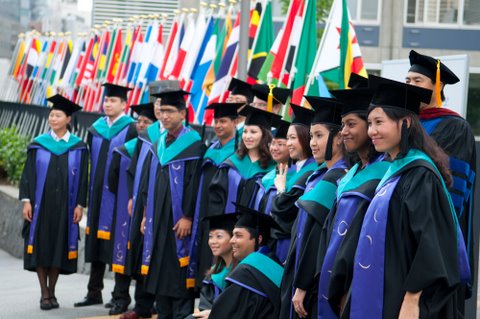
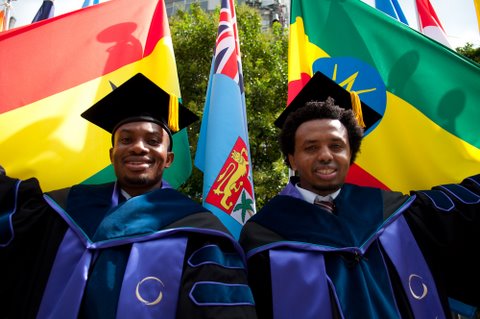
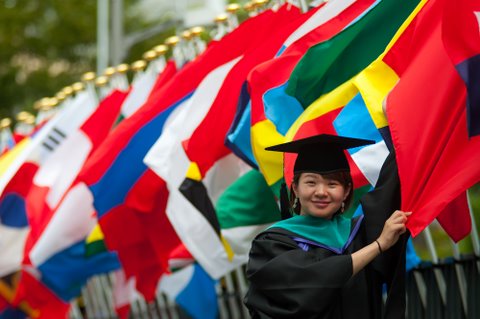
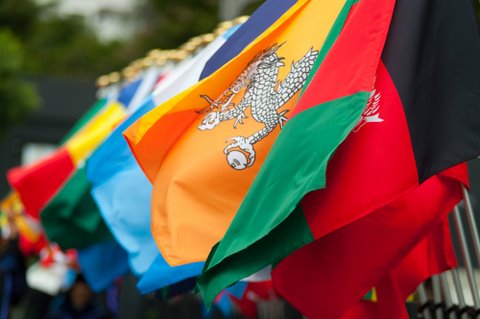
The GRIPS graduation ceremony was held on the 16th (photos) .  As generally happens every year, almost all of the fall graduates are students who spent time with us from abroad.  Attendees included ambassadors from many nations, embassy staff and others and the multicolored flags of many countries lined the campus.  Definitely not your typical Japanese graduation ceremony!  

It was, as always, an emotional and inspiring experience for me to just participate in this GRIPS graduation ceremony and send out youth who will become leaders of nations around the world. 


Sydney Opera House

Japanese


I left Hayman Island after the ADC Forum for Sydney and stayed there for overnight for time adjustment.

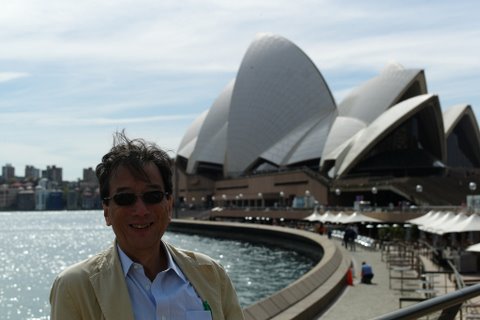
The weather was beautiful next morning, and I had free time for about half of the day.  So, of course, I headed right away to the Opera House and enjoyed a very relaxing time.

What is amazing about this Opera House is, that the more you take a close look at it, the more you see how it was built with a vision for the future, integrated plans to materialize the vision – not only within its structural design, but also in the contents and wonderful programs that continue to attract people of the world to this day.  In short, this House has a great “magnetic power” that comes only from something produced with long term perspectives.

On the other hand, it seems to me that the national policies of Japan lack such dynamic, big concepts based on the understandings of current and future standpoint of itself in the global settings as I sense in this Opera House.  After all, our national policies are essentially nothing but the output of the “small town community” mindset traditionally nurtured within each ministries, which, as Tatsuru UCHIDA put it, is the reason why “Japan tends inherently to be a follower/responder rather than leader in the world affairs ” (Ref.1 in Japanese).

I decided to spend rest of my time at Bondi Beach, and had lunch at an Italian restaurant run by a young Jewish fellow from Israel.  I enjoyed talking about various things with him.  By the way, Bondi Beach is also famous for its Life Saving Club as well as the Icebergs.

Now, I will pick up my baggage at the hotel, go to the airport, and fly to Singapore.

Coming Back to Hayman Island

Japanese

After Okinawa, I returned to Tokyo to join in the Talent Show, a program which started in the late afternoon on the day before the closing of the Liberal Arts Program for high school students.  We enjoyed various performances by the participating students such as wonderful piano music (a semi-professional level!).  In the evening everyone returned to the Ryokan (Japanese-style inn) and I joined in their Reflection.  This epoch-making event will be over in only one more day.

Next day, on the 25th, I left Japan for the Hayman Island at the Great Barrier Reef to participate in the ADC Forum which I quite enjoyed last year. I took a chartered flight from Sydney to Hamilton, connecting to the high speed boat to Hayman Island.  My baggage did not arrive, though.  Anyway, after taking a short rest, I went to the venue to attend the sessions.
 
Next day started with the dynamic talk by Nik Gowing of BBC titled “Acute vulnerability for business, governments and systems in the new public information space” with comments on various issues such as the recent demonstrations spreading from the Middle East to London, indiscriminate gun shooting in Norway, political climate in the U.S. , or even the Tsunami and the nuclear power plant issue of Japan.

This day, I was in the panel of; “Green Growth approaches ? any easier now?”, “The reconstruction of Japan”.  One of the participants in this panel, Prof Jean-Pierre Lehman of IMD who is a regular participant of the Davos Meeting studied in Japan when young and took classes of Dr. Masao Maruyama, so I asked him to talk about this experience a bit.  I also hosted “Lenses on science ? frontiers in the information revolution”. Drs Robert Bishop, John Mattick and Aaron O’Connel commented respectively on Virtual human brain、the value of the non-coding ‘junk DNA’, and Quantum mechanics.  I opened this session by introducing “The Singularity is Near” by Ray Kurzweil, but I honestly think talking about things like this without using slides is not an easy task, especially if it is about Quantum mechanics. Dr O’Conner gave a presentation about this at this year’s TED2011 (Ref.1), too.  What are your thoughts about it?  The discussion following his presentation is also uploaded on this web site.

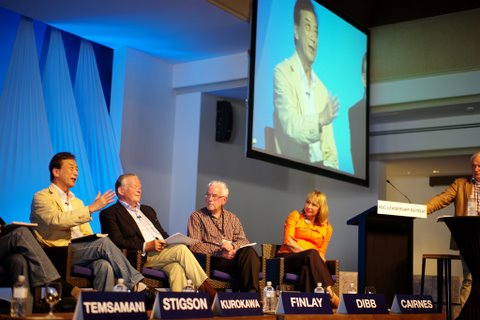
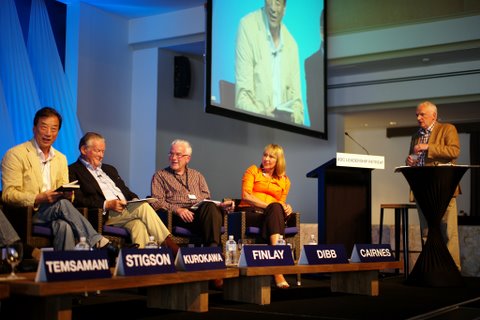
Next day, I participated in the Closing panel (photo).  Since the boat to Hamilton was to leave in half an hour after the closing, I was in the panel dressed in casual clothes.  The discussion in the panel was quite good.

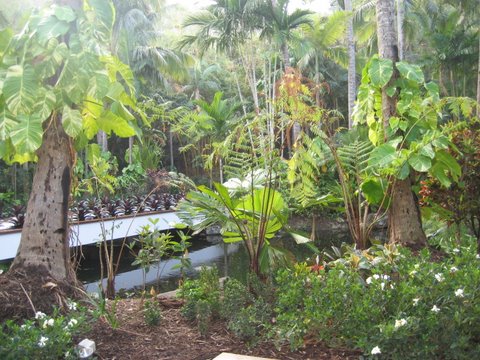
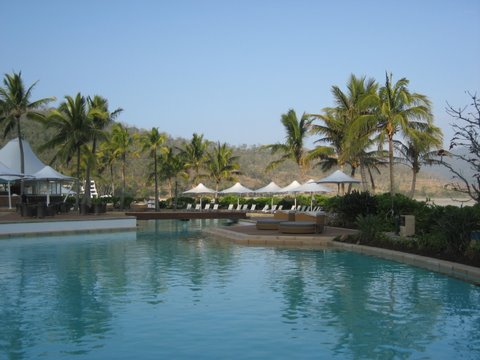
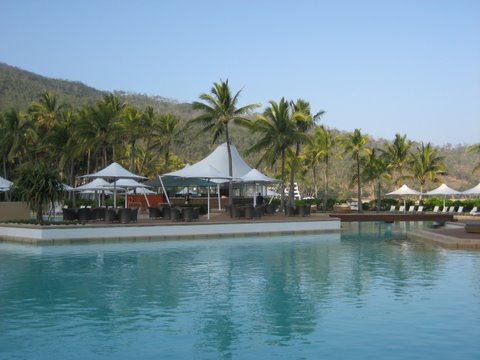
Wonderful settings, wonderful people, nice reunion with friends… But unfortunately my schedule was so packed that I did not have spare time even to go to the outdoor pool just outside of my room.

From Hamilton, I will head to Sydney.


Joi Ito and Hiroshi Ishii, the Two Japanese of the MIT Media Lab

Japanese

MIT Media Lab is an internationally known research center.  Founded in 1985, many Japanese companies collaborated with this Lab in research projects so perhaps this might have made the Lab even more known in Japan.

A Big Bright News is that Joi Ito was recently appointed as the director of this Lab.  I had an opportunity to have dinner with Joi and Dr. Hiroshi Ishi, associate director of the Media Lab several days ago.  Dr. Ishi also participated in this year’s TEDxTokyo as our guest, and he gave a wonderfully enthusiastic speech for us.

At the dinner, our topic covered broad range, but basically the discussion was about how to encourage Japanese youths mix with the world.  In addition, since Joi is actively measuring the radiation around the Fukushima area after the “3.11”, we exchanged views on this issue, too.

This year, Dr. Ishii was introduced in the “Portrait of Modern Age Leader (Gendai no Shozo, 現代の肖像)”, in the April 25 issue of the AERA magazine. Joi Ito also appeared as the “Cover Person” in the August 8, 2001 issue together with the article titled “The Future of ‘The Places to Make Future of the World’ (‘Sekai no Mirai Wo Tsukuru Basho’ no Mirai, 「世界の未来を作る場所」の未来)”.

Joi has been well recognized in the world as one of the alpha-bloggers for more than 10 years and Dr. Ishi is very active as you see in twitter (@ishii_mit).  These two are forever hot.

Again To Doha, Qatar

Japanese

The Hamad Medical Corporation of Qatar launched the vision of Academic Health System and I was invited to attend its unveiling.  The outdoor temperature in Doha was approximately 45℃ (115 F), very hot, and in addition to the heat, the city was in the midst of the Ramadan.

I made use of this opportunity to visit the Qatar Foundation (Ref.1, 2) again.  From here, I extended my visit to Cornell Medical College in Qatar, Texas A&M University in Qatar, and Qatar Science Technology Park.

These Universities use the same curriculum and same texts as in the United States and the faculty members are recruited according to the same qualification criteria as in the States, so the students graduating from these universities receive degrees equivalent to the home Universities.  The students of medical schools, after graduation, are matched for residency and the list includes first class hospitals in the United States such as Johns Hopkins and Cleveland Clinics.  Just take a look at the web site of the Qatar Foundation and you will find much information about variety of special programs they run with many universities.

Famous Think-Tanks such as Brookings and RAND are also opening their branch offices in Doha recently.

These places of education and research not only have cutting edge utilities, but are very open and international. I think it would be nice if we developed programs with Japanese researchers or enhanced exchange programs for students, graduate students, and research fellows.

Hamad Medical Corporation is now building a number of new hospitals as well as reinforcing their research laboratories.  While expanding hospitals that are about a quarter of a century old, they also manage to keep providing health care very actively.  Emergency medicine, especially traumatic wound is a huge department here.  They have a large number of patients from traffic accidents and construction accidents.

Many staffs and Doctors are from overseas but they are working very aggressively.

I think the Academic Health System is a nice ambitious program, too.  It has a strong vision for structuring a “Healthy Community” and is determined to “Expand Globally”.

Although the Middle East today has a number of unsteady elements after the Tunisian resistance and revolution, Qatar is by far more peaceful.  Why not have more exchanges with them?

Jiro Asada’s Novel; The Last Years of the Qing Dynasty

Japanese

I think Jiro Asada, a Japanese writer, has quite a lot of fans.  I am one of his fans, too, although I have not read all of his works.
 
The 4 series’ novel about China in the end of the Qing Dynasty “The Firmament of the Pleiades (Soukyuu no Subaru, 蒼穹の昴), “Imperial Consort Zhen’ s Well (Chinbi no Ido, 珍妃の井戸)”, “Chugen Rainbow (Chugen no Niji, 中原の虹)”, and “Manchurian Report (Manchurian Report,マンチュリアン・リポート)” (published last year) is one of my favorites.  What attracts me is the structure, analysis, and the viewpoint in each “Story (monogatari, ものがたり)”.  Once I start reading, the story is so fascinating that I am completely caught by it and can not stop until I get to the end.
 
Last year NHK broadcasted a drama series that was produced in collaboration with China titled “The Firmament of the Pleiades”.  It is a story about Empress Dowager, Chunru (春児, チュンル), and the people close to them, in the last phase of the Qing Dynasty. Yuko Tanaka, a Japanese actress, played the part of Empress Dowager which I thought was done nicely.  After this novel came the “Imperial Consort Zhen’ s Well”.  I don’t think I have to remind you that the Imperial Consort Zhen also appeared in “The Firmament of the Pleiades”.

I had an opportunity to visit Beijing (北京) several years ago, and since I had a bit of spare time I decided to go to the Forbidden City (紫禁城).  The guide asked me where I wanted to see, so I requested him to take me to “The Chinbi’s Well (珍妃の井戸)” because I didn’t have enough time to see all.  So, as I recall, we went directly to the well and saw nothing else.  I do not regret this though, because each of Asada’s storis is so fascinating that you feel as if you were living it.  My impression of “The Chinbi’s Well”?  Well, I would rather hear your impression after you have seen it.

The 3rd book of this series is “The Chugen Rainbow”.  This is a story about Zhang Zuolin (Cyo Sakurinn, 張作霖); the son of a refugee, later the leader of the mounted bandit in Manchuria area (bazoku, 馬賊), Puyi (Xuantong Emperor, Fugi, 溥儀); the last emperor whom Zhang Zuolin is to encounter at Chugen, and Yuan Shikai (En Seigai, 袁世凱).  The Western nations and the Kwantung Army (Kanto-gun, 関東軍) are also involved in the complicated development of the story.  This piece is also quite exciting.

The last book; ‘Manchurian Report’ was published last fall.  It has a wonderful structure and excellent style of story telling of the process that leads to the death of Zhang Zualin by the bomb explosion which Kwantung Army planned and executed near the Fengtian (Hoten, 奉天) Station of the Manchuria Railroad.

I truly admire the extensive research ability and high quality of writing by the professional writers.

While there are a variety of books dealing with the history of Japan and its relations with the neighbors – Korean Peninsula, China, or Manchuria – from end of the 19th century to the first half of the 20th Century, I find books such as Asada’s that tell stories of individual characters quite amusing, not to mention that they are “non-fictions” which are intended for entertainment.  Besides the books by Asada, I would recommend a story of Hajime Satomi the “King of Opium” (by Shinichi Sano), or in this connection, “The Back Side History of Manchuria; What Masahiko Amakasu and Shinsuke Kishi Bore” (by Naoki Ohta), or many other stories concerning “Japan-Korea Relations”.  There are many things to be learned from these books regarding the life of people or how history is created, among others.

“Historic novels” has nothing to do with strange nationalisms; it is a good way to understand the movement of the world or nations from the multi-standpoint of those who lived in that time, the effects those movements had on the everyday life of the people.  Such perspective is especially important at times when you have to deal with the issues that arise in this rapidly globalizing world.

Below are some of the examples of the insights of Mr. Asada expressed as the words of the “story tellers” in this 4 series’ books;
“Neither (Japanese) government nor army is capable of thinking in a big scope because they are too nearsighted, merely focusing on immediate, short-term tiny profits….”
“Japanese thinking is too small scaled, just like the size of their homeland…”
“’Manchuria is the lifeline of Japan’, the words slipped out (at the Far East Meeting), but this comment was practically equivalent to saying ‘we are determined to invade our neighbors for the profit of our nation’….”

 “Wise men learn from history, fools learn from experience” is a well known saying.  Likewise I think “If people do not study the long history, they are just a bunch of idiots” is a good quote, although it is anonymous.

 

My Opinion Pieces in the New Komeito and Liberal Democratic Party of Japan Papers

Japanese

Last month, a dialogue with the Tetsuo Sato, former Minister of the Environment and current acting Secretariat General of the New Komeito and myself took place on the topic of “Japan Overcoming Crises and Making a Contribution to the Rest of the World ? The Lessons of Our Nuclear Disaster as a Resource for the Common International Good” (in Japanese).  This article appeared in New Komeito which is the official monthly journal of the New Komeito Party.  This debate took place one month after the earthquake on April 13th.  I hope you will forgive me for the delay in posting this information because, frankly, it completely slipped my mind.

The following topics were covered:

  • The real face of Japan
  • Leadership that is weak at the time of crises
  • A blueprint for disaster recovery
  • Japan in the world today

I wrote frankly about “political leadership (p. 3) of the current Democratic Party of Japan administration.

In this journal, a dialogue with the Kazuhisa Ogawa, an expert on Japan’s self-defense force, and another with Masayuki Yamanouchi, a historian and a great scholar appeared in the issues before and after mine.

A three-part series was published in the official weekly paper of the Liberal Democratic Party of Japan in July.  The series was entitled “Contemplating the State of the Nation” and my theme was Social Welfare.  The titles of the articles (all in Japanese) are listed below:

However, when I talked with the editor on the phone and expressed my reservations that these three expansive themes would be extremely difficult to adequately cover over three installments in the available space with the end result being essentially being meaningless, the editor responded that he had gotten the exact same response from a number of people.

I did address these topics broadly over the three installments, and I was able to say what I wanted to say.

The final installation came out today and I, quite by chance, was in the offices of a senior Liberal Democratic Diet member in the afternoon.  He took a look at the article and offered up some comments.

The article did contain some rather critical comments in regards to the Liberal Democratic Party which is to be expected.

Today, more than ever, politicians have a huge responsibility in a Japan which is currently in a precarious position.


An Invitation to a Dialogue with Professor Ikujiro Nonaka

→Japanese

The University of California (UC) is system of universities with 10 campuses located throughout the state of California and it is one of the leading university systems in the United States. The schools in Berkeley and Los Angeles have the largest numbers of Japanese alumni. 

How would you like to attend a conversation between myself and Professor Ikujiro Nonaka on the topic of “Japanese Innovation in the Aftermath of the Recent Disaster ? What Will It Take?” sponsored by the joint secretariat of the UCLA Japan Alumni Association and UC Berkeley Japan Alumni. This Dialogue will be held on July 1st from 6:30 pm at the Tokyo 21c Club.

You do not need to be a member of the UC alumni association.  I would really love to have a chance to meet and talk with everyone and anyone who follows this blog.

***************

The 4th Berkeley Arena of Wisdom

“Japanese Innovation in the Aftermath of the Recent Disaster ? What Will It Take?”

UC Berkeley Japan Alumni Chairman: Ikujiro Nonaka

UCLA Japan Alumni Chairman: Kiyoshi Kurokawa


■ Date: July 1st, 2011 (Fri) 6:30 PM to 9:30 PM

■ Location: Tokyo 21c Club (Shin-Marunouchi Bldg 10F)

■ Fee: UCB・UCLA members 3,000 yen (Food included but beverages separate)

            UCB・UCLA non-members 4,000 yen (Food included but beverages separate)

Professors Nonaka and Kurokawa will both participate in the reception to be held after the seminar. (Drinks are to be paid for at the time of receipt.)

■ The language of the Dialogue will be Japanese in principle with an accompanying PowerPoint presentation in English (however, questions in English are more than welcomed).

■ RSVP (deadline for registration): Please fill out the registration form by June 28th.

***************


A summary of this upcoming event.

●    The 4th Berkeley Arena of Wisdom will be jointly sponsored by the UCLA and Berkeley Alumni Associations.

●    We asked the alumni chairmen to host Kiyoshi Kurokawa who is a past Professor of Medicine at UCLA and Ikujiro Nonaka who is the Fuji-Xerox Professor of Knowledge at Berkeley and these two individuals are internationally recognized scholars in the area of innovation.

●    We will be able to become better acquainted with SECI model as proposed by Professor Nonaka, based on spirals formed by tacit knowledge and explicit knowledge if there are substantial contributions to the creation of science and technology policies through the use of state funds on one hand and innovation by well-positioned corporations which are sitting on a wealth of R&D. 

●    Japan will be unable to rebuild in the wake of the recent  disaster without innovation. The secretariat of the alumni association aims to expand the Berkeley Arena of Wisdom through this talk on Japanese innovation in the aftermath of the earthquake and tsunami by the two guests. 

●    The two speakers have made their views known in the media on the overwhelming scale of the local disaster and problems surrounding leadership. The events surrounding the Fukushima nuclear reactor have made it clear that the concepts of “phronesis” as espoused by Professor Nonaka and "out-of-the-box" thinking by Professor Kurokawa as extremely relevant to the issues related to leadership in a knowledge-based society.

●    The two speakers plan on keeping their remarks brief with each speaker talking for about 30 minutes while raising and commenting on important issues. The hope is that the talk can develop into a deep discussion with attendees (however, all should be warned that given Professor Kurokawa’s love of a good debate who knows what could develop!!)

●    The language of the Talk will be in Japanese (but we may switch to English on occasion to accommodate inquiries from attendees).

●    A reception with food will be held after the seminar which will allow time for attendees to talk and get to know each other.  However, drinks are not included and should be paid for at the time of receipt. 

●    All funds collected for the seminar will be donated to disaster relief for the victims of the Tohoku Earthquake.

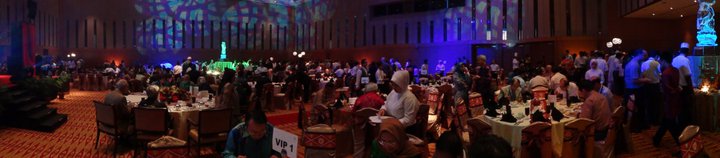
Kuala Lumpur – Pacific Science Congress

→Japanese

I had the honor of being appointed eight years ago to the Presidency of the Pacific Science Association (PSA) and we held the 2007 Pacific Science Congress in Okinawa and then the 2009 Inter-Congress in Tahiti (Ref 1, 2, 3).  I have already, as you may know, talked about these gatherings on this site.

The Pacific Science Congress also has a committee within the Japan Science Council and belongs to the International Council of Science (ICSU).  This organization has a long and illustrious history of 98 years.

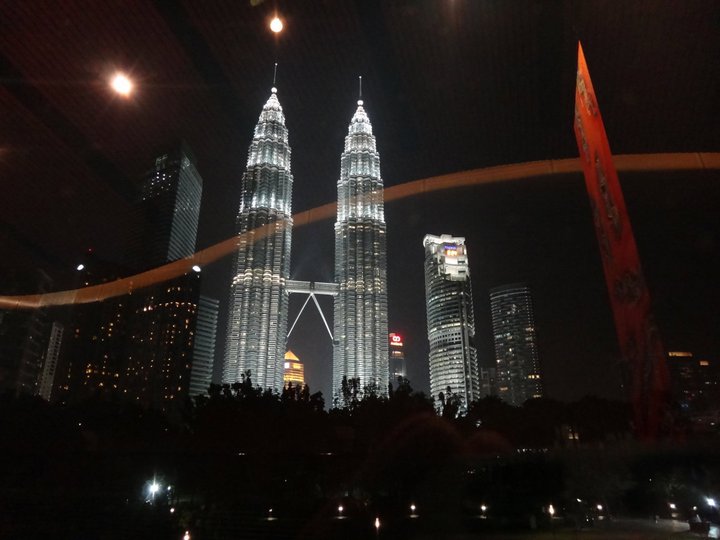
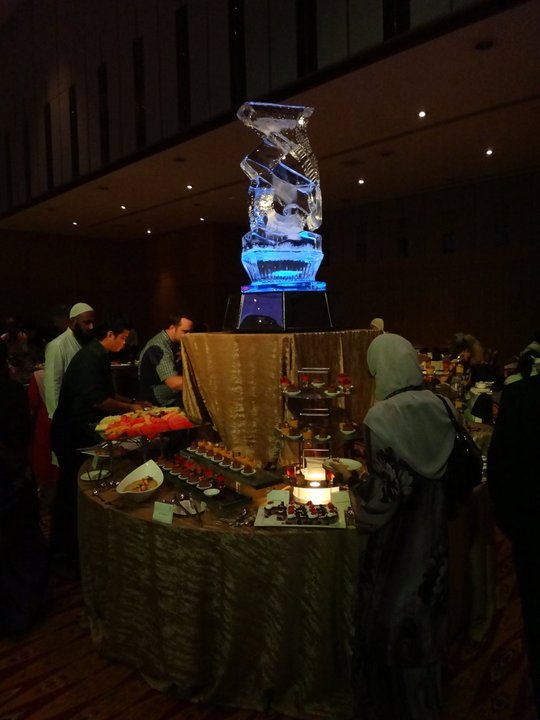
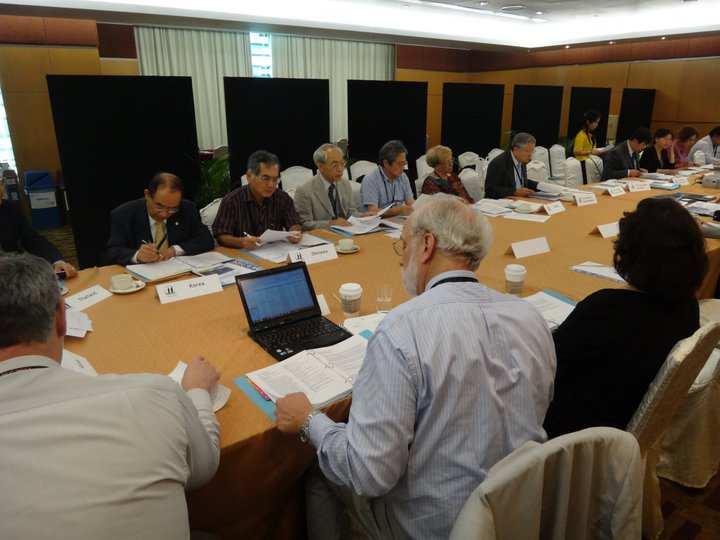
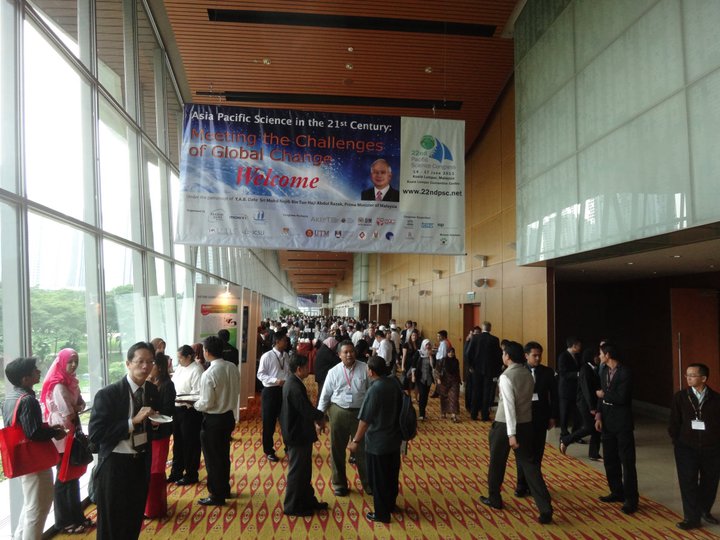
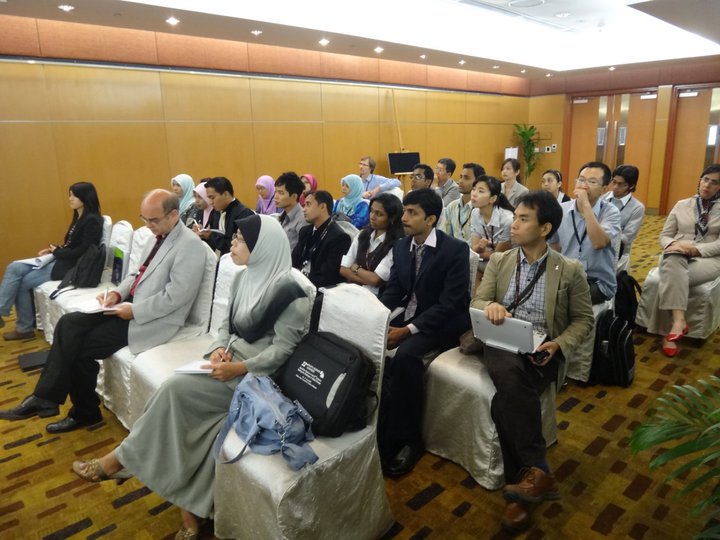
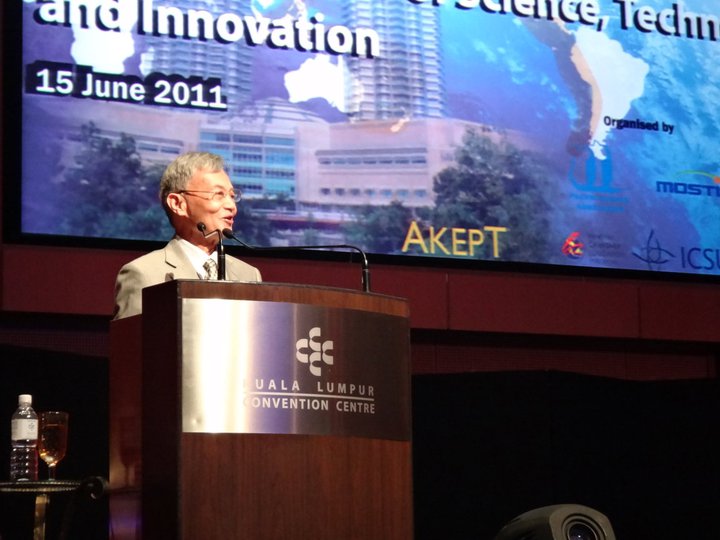
The Congress was held this year in Kuala Lumpur from June 14th to June 17th, and as the Immediate Past-President, I was invited to give a Keynote address.  I departed on the 13th for Kuala Lumpur.

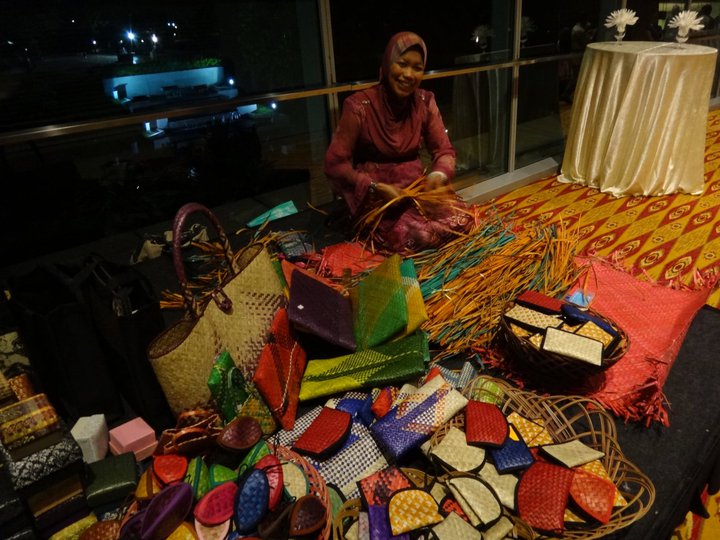
Malaysia is a country that is vibrant and growing and it is pouring its energies into policies designed to promote education along with scientific and technological innovation.  Many local researchers who receive backing from the government were in attendance at the conference making for a really excellent gathering.

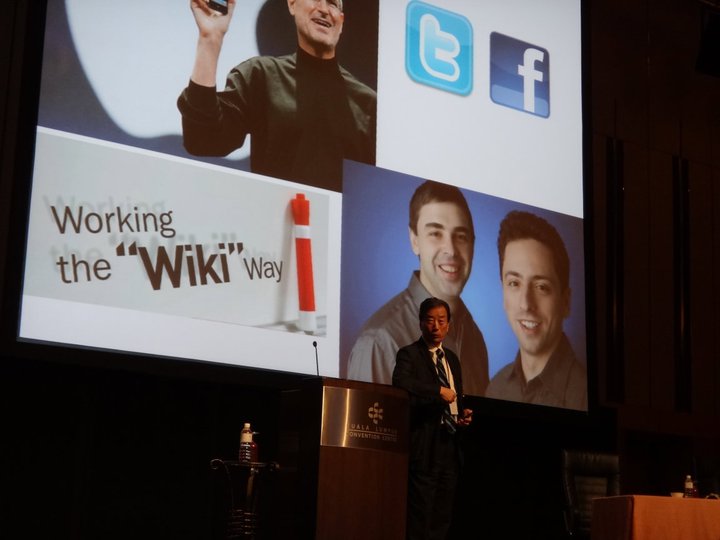
The title of my Keynote address was “Age of Uncertainty: Have We Become Wiser?” and my objective was to be as stimulating and thought provoking as possible.  Of course, many in the audience also expressed their support, concern and condolences regarding the recent tsunami and the subsequent events in Fukushima.

Everyone present seemed to find my address interesting and it prompted numerous questions from the audience.  The next day I even sat down for a live TV interview that lasted approximately 25 minutes. I was pleased to find out that Greg-san from Nagasaki University observed on his blog that the spirt in the room during my address heightened.

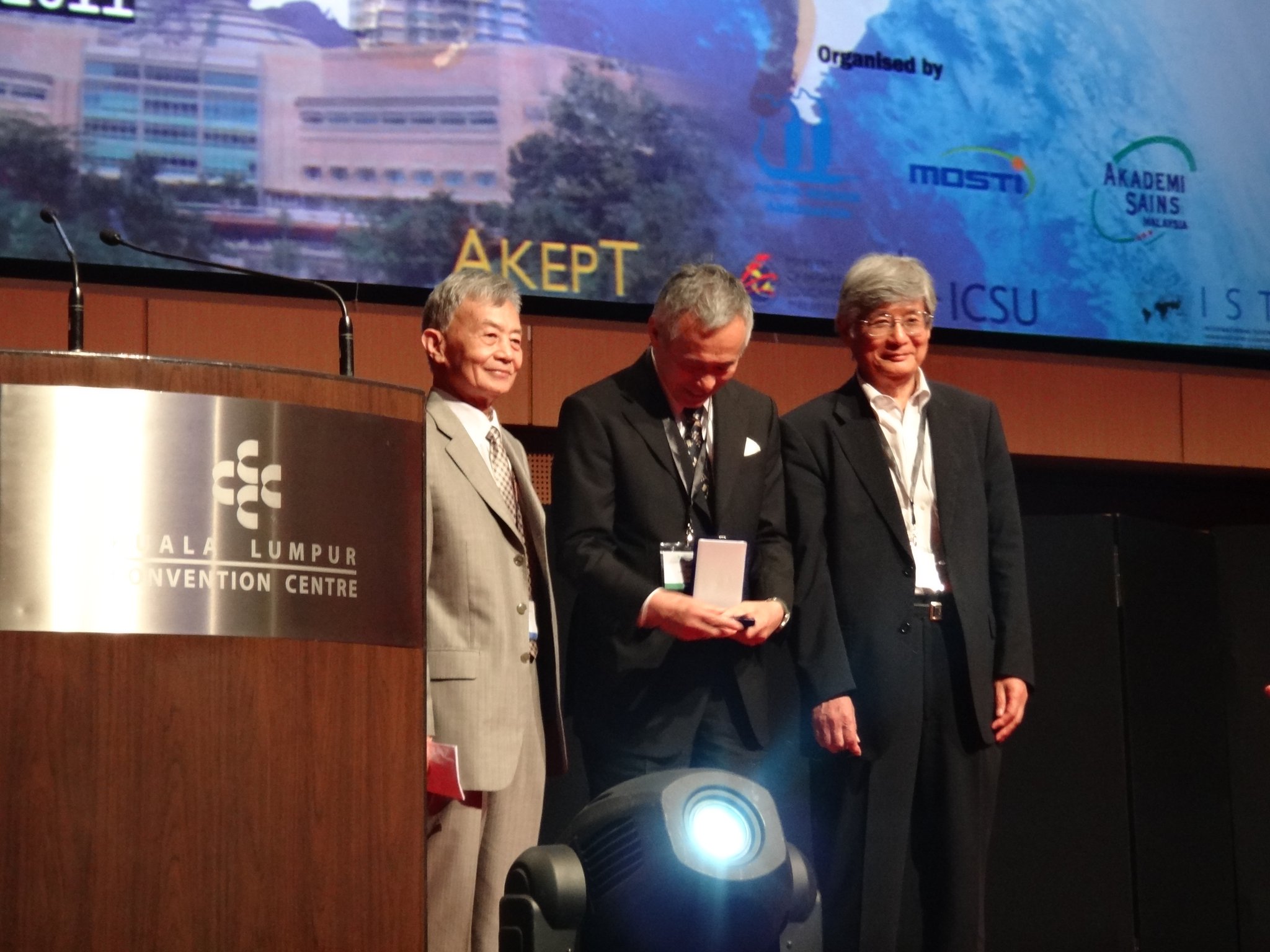
The Japan Science Council’s Hatai Medal was awarded this year to Professor Katsumi Tsukamoto (Ref. 1) for his research on the origin and migration of Pacific eels.  Professor Tsukamoto picked up his award in the company of his wife and I want to offer him my heartfelt congratulations on receiving this honor. 

I also was able to meet up with Dr. Robert Underwood (left photo below) who is the President of the University of Guam and had served in the U.S. House of Representatives from 1993 to 2003.  He talked about the far-flung Pacific Islands including the problems they grapple with in the areas of education and health care as well as their unique relationship with the United States from an extremely interesting perspective. He extended an invitation to me to visit Guam and I think that I would like to take him up on his offer sometime within the next year.  The Congress was an overall enjoyable experience which allowed me to see many old friends, make some new ones and meet young up-and-coming researchers.

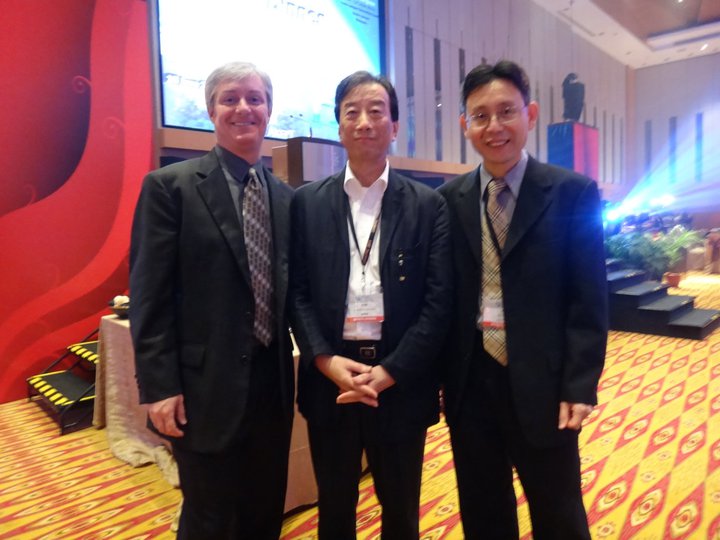
With underwood Group photo 

I have previously talked about the Global Science and Innovation Advisory Council (GSIAC) which operates under the Malaysian Prime Minister, and I also had the opportunity to meet for around an hour with Dr. Zakri, who is the Prime Minister’s Chief Science Advisor, and his staff. The members were truly an impressive lot and I was honored to be able to participate in this confab.

The next Inter-Congress meeting is scheduled to be held two years from now at the University of the South Pacific (Fiji).  How about joining us then??